
Table of Contents
Because of how shiny DeFi has gotten and the FOMO surrounding getting in, the way most people pick a DeFi network is entirely backwards. They see a tweet about practically zero transaction fees. They blindly bridge their funds over.
Then, they realize the exact DeFi protocol they need doesn’t even exist there yet. However, if you want to know how to choose a DeFi network properly, you have to stop looking at the chain first. Start with the action you want to take.
Are you swapping tokens, lending out stablecoins, building, or providing liquidity? This is the first step in the calculated approach. Let’s go through the process of choosing a DeFi network together.
Start with the Position You Want to Build
You’ve decided to build on DeFi. That’s great! But don’t join the majority in picking the chain first. That’s an entirely backwards strategy. You need to clearly define the core asset you want to hold before you do anything else.
First, you’ll need to figure out the exact protocol function you require. Do you need borrowing, lending, or complex yield farming? Estimate your expected holding period with brutal honesty. A quick weekend trade is different from a multi-year vault lockup.
Size up your position accurately. Finally, firmly decide on your desired exit asset before you ever click approve. If you choose a DeFi network before answering these specific questions, you are essentially flying blind.
The Six Dimensions of a DeFi Network Decision
No matter how great they sound on paper, every chain has trade-offs. To actually choose a DeFi network that fits your strategy, you need to weigh six distinct dimensions against your personal goals.
Here is a breakdown of how to evaluate them. Keep a running tally for yourself. Do not rely on universal scores, because a whale’s priorities look nothing like a shrimp’s.
Total Cost of Entry, Management and Exit
Headline transaction fees are rarely a single, clean line item. The hidden operational costs add up fast. You first have to fund your digital wallet, which often incurs a fee from an exchange. Then you pay bridge tolls to cross chains.
You have to approve multiple smart contracts, which costs gas. Then you finally deposit your funds into the actual yield strategy. Maybe you need to frequently rebalance your position later. Eventually, you will claim your earned rewards and make your final, triumphant exit. All of this costs gas fees.
A $1 action repeated ten times is very different from one single $10 transaction. If your specific yield strategy requires daily compounding, you simply cannot afford a pricey blockchain network.
Liquidity in the Exact Asset and Market
Chain-level Total Value Locked (TVL) is a massive vanity metric. What actually matters is the usable, concentrated depth in your specific pool. You need robust DeFi liquidity right where your money is sitting.
Look closely at the lending market or trading pair you plan to use on the DeFi network. Is the capital actually active? Check the current stablecoin liquidity very carefully.
Is there enough decentralized exchange volume to support your trade size without wild price swings? Are the bid-ask spreads reasonably tight? High slippage will eat your potential returns instantly.
Protocol Availability and Deployment Quality
Never assume a famous brand name means safety in this space. A familiar DeFi protocol can have vastly different risk parameters depending on the specific blockchain network it lives on. Check if the core developers officially support the deployment.
Which specific version of the code is it? Are they using older, deprecated smart contracts? What obscure, risky assets are allowed as collateral? Most importantly, verify if the recent security audits actually cover that specific chain deployment.
Security and Control Assumptions
Network security is your ultimate, final backstop when things go terribly wrong. Look closely at the validator set or the central sequencer design. Who actually holds the admin upgrade keys? What about the cryptographic proof systems and the underlying data availability layers?
Check its historical incident record thoroughly. A DeFi network with a long history of random pauses or block production failures is a massive, glowing red flag. Network security demands real, uncompromising scrutiny.
Asset Origin and Bridge Exposure
Where did your token actually come from? This question is absolutely critical to your financial survival. Determine if you are holding a true native asset. Or is it merely issuer-backed by a centralized entity on that specific network?
Very often, it is just wrapped through a third-party bridge, introducing layers of unseen risk. Bridge risk is arguably the biggest, most catastrophic hidden danger in the entire crypto space. Trace the exact redemption path of your tokens from start to finish.
Operational Fit
Does your preferred hardware wallet actually work smoothly here? Wallet support varies wildly across different ecosystems, and forced software wallet use lowers your security posture. Look at the blockchain explorer quality. Is it legible, transparent, and fast?
How reliable is the public RPC endpoint during high-traffic NFT mints? Transaction finality speed matters immensely when you are moving fast between volatile trades. Finally, make absolutely sure you have an easy, low-friction way to obtain the native asset required to pay for gas fees.
Layer 1, Rollup, Sidechain or Alternative L1?
The deep technical architecture underneath your money dictates its overall safety. Let’s briefly compare the four broad designs you will inevitably encounter.
Security sources, execution costs, transaction throughput, finality, and bridge dependencies change radically across these categories.
Understanding the fundamental gap between a true Layer 2 and a mere sidechain is crucial for your capital’s safety. A rollup borrows its security directly from a stronger Layer 1 base, making it inherently safer.
A sidechain, however, builds its own security from scratch and relies entirely on its own validators. A rollup processes transactions off-chain but securely posts data back home. Evaluate these massive differences carefully before you finalize your DeFi network choice.
Why Low Fees Can Produce a Higher Total Cost

Imagine finding a brand new blockchain network with microscopic gas fees. You think you’ve hit the absolute jackpot. But then you actually bridge your funds over.
That cross-chain transfer costs real money. Then you attempt to swap your ETH into the correct stablecoin to start farming. The liquidity pool is incredibly thin.
Because the protocol liquidity is shockingly weak, slippage eats 3% of your capital instantly. Suddenly, those incredibly cheap transaction fees don’t matter at all. The total financial cost of the trade was brutal.
Time has real, quantifiable value in these volatile markets. Failed transactions have a tangible, painful cost. You do not need to try to price operational risk to the exact penny. But you must firmly acknowledge that it exists, and it will silently hurt your bottom line if ignored.
Why High TVL Is Useful but Incomplete
Total Value Locked (TVL) is a broad, sweeping activity indicator. It essentially tells you if the lights are on inside a particular DeFi network. But TVL has massive, glaring blind spots that can trap unwary investors.
It very often double-counts bridged assets, artificially and wildly inflating the numbers. It heavily hides dormant capital that is just sitting inactive in old, deprecated smart contracts.
Sometimes, a network’s TVL is dangerously concentrated in just two or three massive protocols. Or worse, it’s completely inflated by short-term, unsustainable developer yield incentives that will soon dry up.
That means plenty of capital might be theoretically locked up, but it is totally unavailable to support your particular trade. Always demand a recent date and a verified, reputable source for your current metrics.
Three Network Choices Worked from the User Goal
There is absolutely no universal best chain in decentralized finance. Let’s look at three contrasting cases to clearly illustrate this point.
A Small Stablecoin Swap
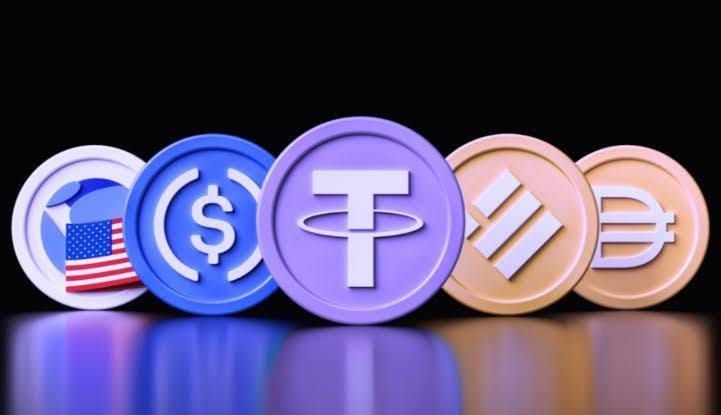
Imagine you just want to quickly swap $500 of USDC for USDT. You need to keep the all-in cost dirt cheap to make this worthwhile. Here, you highly prioritize remarkably low transaction fees.
You also require rock-solid stablecoin authenticity to avoid de-peg risks. Even for a small retail trade, pool depth really matters. If stablecoin liquidity is badly fractured across multiple unlinked pools, you will lose money on the swap.
Notice how the ideal network choice changes drastically if this exact trade was for $500,000 instead of a mere $500. A highly centralized Layer 2 might be perfect for the small trade, while the battle-tested Ethereum mainnet is significantly safer for the whale.
A Long-Lived Lending Position
You want to park the serious capital securely for a whole year. A flash-in-the-pan, highly hyped chain simply won’t work for this. You must heavily prioritize the DeFi protocol’s long-term operational history.
You need deep, incredibly resilient collateral liquidity to survive inevitable, sudden market crashes. Look closely at the decentralized oracle design used to price assets. Intimately and completely understand the exact liquidation conditions of your specific loan.
When the broader crypto market goes into a full panic, can you reliably access the chain to top up your collateral? True network security during times of severe, systemic stress is absolutely everything.
An Active Multi-Step Yield Strategy
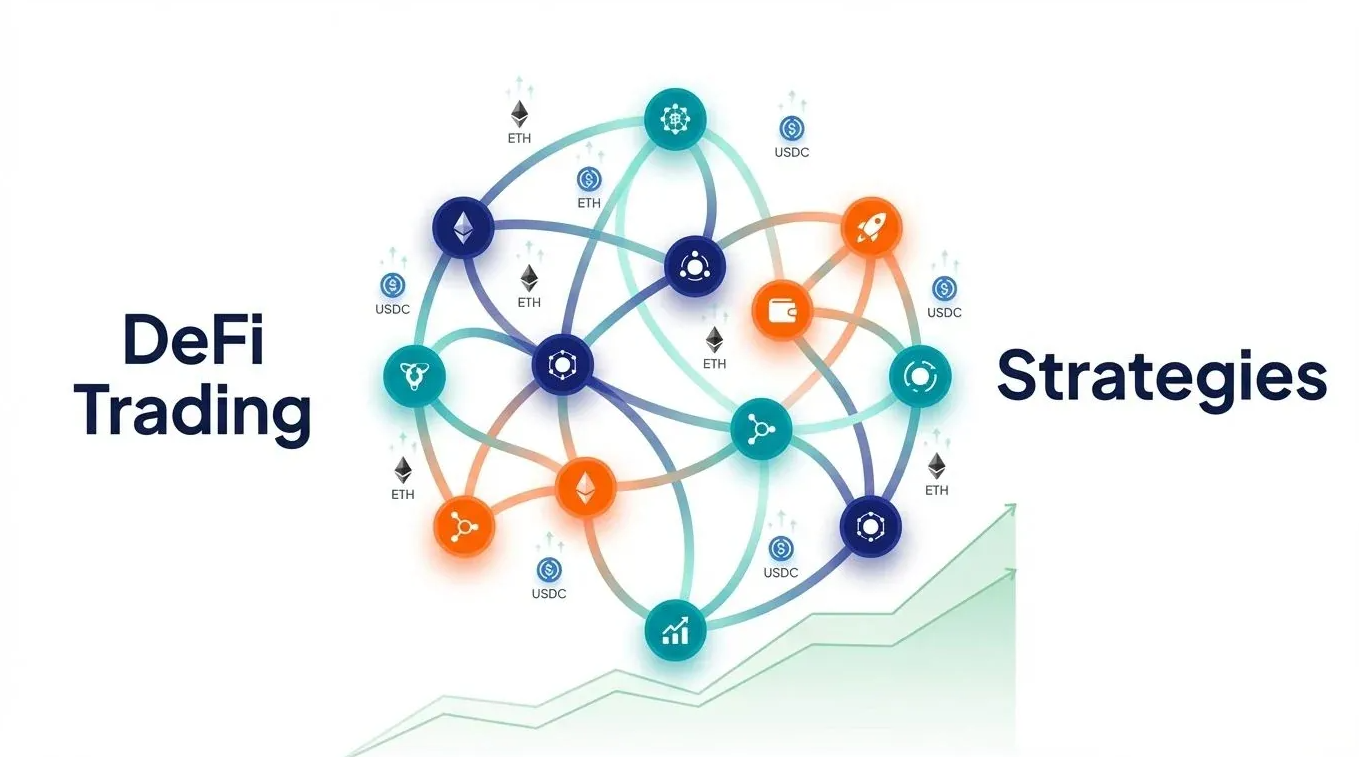
You are farming exotic yields on a daily, aggressive basis. Harvesting, compounding, and constantly re-depositing to maximize your annual percentage yield. Management cost is your absolute biggest enemy here. You want smooth, cheap automation.
You need to carefully count every single dependency, every contract approval, and every cross-chain bridge jump. Frequent, repeated actions heavily enlarge your overall operational attack surface. Every single time you cross a network boundary, your specific bridge risk spikes exponentially.
You absolutely need an environment optimized for extremely high transaction throughput. It must possess exceptionally tight DeFi liquidity to effortlessly handle your constant, daily rebalancing without severe slippage.
Build the Exit Route Before Moving Funds
Never, ever enter a crypto trade without knowing exactly how to leave it. You must specify the unwind process beforehand. Ask yourself the following questions:
- How will you obtain enough gas fees for the final, urgent transactions?
- How will you easily trade back to your original, desired asset?
- How will you physically leave the blockchain network entirely and return to safety?
Think very carefully about using native bridges versus third-party alternatives. Factor in the mandatory withdrawal delays that might trap your funds. This is especially vital on a true Layer 2 rollup, where dispute periods or fraud proof windows can lock funds for an entire week.
If the overall market crashes violently hard tomorrow morning, will there still be enough active liquidity for you to exit your position? A beautifully designed exit door is only useful if it actually remains unlocked during a blazing fire.
A Repeatable Decision Record
Don’t keep all this complex, messy analysis floating around in your head. Create a simple, structured one-page decision record for your new position. Note the specific action, the exact asset contracts, and your core network assumptions.
Document the current baseline costs. Take a quick screenshot or paste your tangible proof of protocol liquidity. Log the specific DeFi protocol version you actually intend to use.
Note the exact bridge used to physically transfer the funds. Clearly state your maximum acceptable bridge risk exposure in dollar terms. Define a hard, uncompromising mathematical exit trigger.
It is absolutely vital that this single document is refreshed. Do it whenever the protocol upgrades, or whenever the underlying network implements a major, breaking hard fork.
Conclusion
When you finally choose a DeFi network, realize that the right answer depends entirely on your specific, planned action. It also depends incredibly heavily on your overall position size and time horizon. Cost certainly matters a great deal.
But it must always sit right alongside deep, verified liquidity and clear asset origin. Protocol deployment quality is absolutely non-negotiable. Your core network security assumptions will eventually be violently tested by hackers or extreme market volatility. It is not a matter of if, but when.
Make absolutely sure you have a clearly defined, thoroughly tested route out. Because in the wild, unpredictable world of decentralized finance, getting your money into a protocol is the easy part. Getting it out safely is what actually makes you a profitable user.
Disclaimer: The content provided in this article is for educational and informational purposes only and should not be considered financial or investment advice. Interacting with blockchain, crypto assets, and Web3 applications involves risks, including the potential loss of funds. Venga encourages readers to conduct thorough research and understand the risks before engaging with any crypto assets or blockchain technologies. For more details, please refer to our terms of service.