
Table of Contents
If you’ve ever tried to send crypto or swap tokens and noticed a fee you weren’t quite expecting, that’s gas. It isn’t something your wallet charges you, and it isn’t a platform surcharge. Gas is what you pay for the blockchain to do anything at all: processing a transaction, executing a contract, minting an NFT.
Gas prices can vary quite a bit from one moment to the next, and you may even see one appear when a transaction doesn’t complete. This piece breaks down what gas is, why the gas price moves around, and what it means when things don’t work out as expected. All of it is focused on Ethereum and EVM-compatible chains, since that’s where gas was born and where most people run into it.
What Does “Gas” Actually Mean in Crypto?
What are crypto gas fees? Think of gas as the meter that runs every time the Ethereum network does something. It measures the computational work involved. Polygon, Arbitrum, and other EVM-compatible chains follow the same rules. They’re all built on the Ethereum Virtual Machine, which is where the term EVM comes from.
Someone has to do the actual processing. Validators are the computers and participants that run the network, and every transaction draws on their resources. Swapping tokens burns more of those than a simple transfer. Minting an NFT, more still. Gas is what puts a number on all of it.
Gas costs show up in gwei rather than full ETH. It’s a smaller unit, one billionth of an ETH, which keeps the numbers readable. Gas also isn’t limited to basic transfers. Anything asking the network to execute code comes with a cost.
Why Do You Have to Pay Gas at All?
There are really three reasons gas fees exist. They pay validators for doing the work, they help keep the network secure, and they stop people from abusing it.
Validators are the people and machines that process transactions and write them to the chain. Without a financial incentive to do that work, there’s no network. Gas fees are how they get paid.
Security connects to this. A well-incentivised validator set keeps the chain reliable and resistant to manipulation. Fees ensure that the people doing the work have a reason to keep doing it honestly.
The third reason is spam. A free network (no network fees) is an easy target. With no cost per transaction, bad actors could flood it with junk and make it unusable for everyone. A small fee per action makes that kind of sustained abuse expensive enough to deter.
What Makes Gas Fees Go Up or Down?
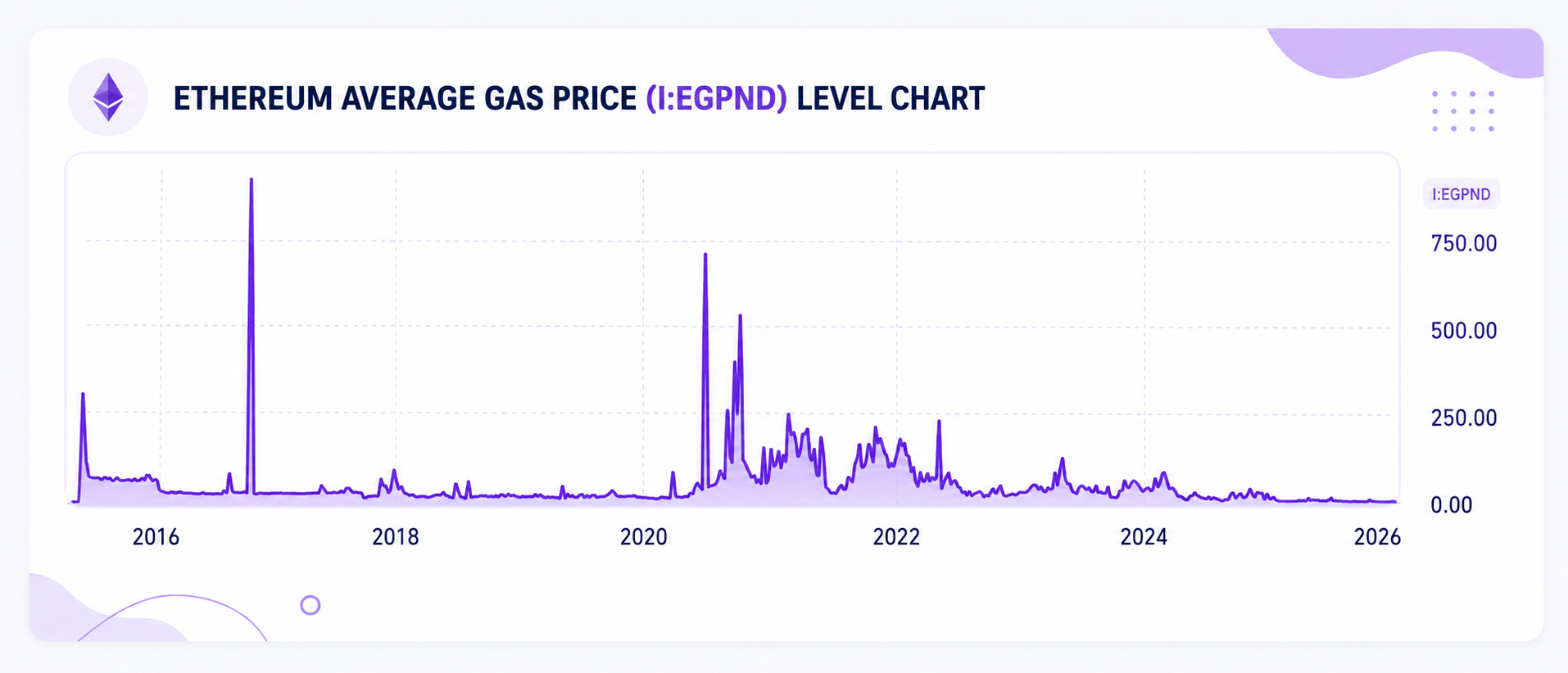
Three things drive the price: transaction complexity, network congestion, and Ethereum’s pricing model.
Complexity first. Sending ETH from one wallet to another is one of the cheaper things you can do on the network, typically requiring around 21,000 gas units. Swapping tokens, minting an NFT, or stepping through a multi-step smart contract can require ten times that amount or more. The more the network has to compute, the more gas the transaction consumes.
Congestion is often the bigger variable for users. Blocks can only hold so much. When demand outruns capacity, fees start rising. DeFi Summer in 2020 was a good example. The NFT frenzy, another. Both times, block space ran short and people started bidding each other up just to get transactions through.
Ethereum’s approach has two moving parts: a base fee and a priority fee. The base fee adjusts automatically based on how full the previous block was, and it gets burned rather than going to validators. The priority fee is optional. It’s a tip you add if you want to move up the queue. Both numbers can change between the moment you check a fee estimate and the moment you confirm.
Why Can You Still Pay Gas If a Transaction Fails?
This one catches a lot of people off guard, and it’s a fair thing to be surprised by.
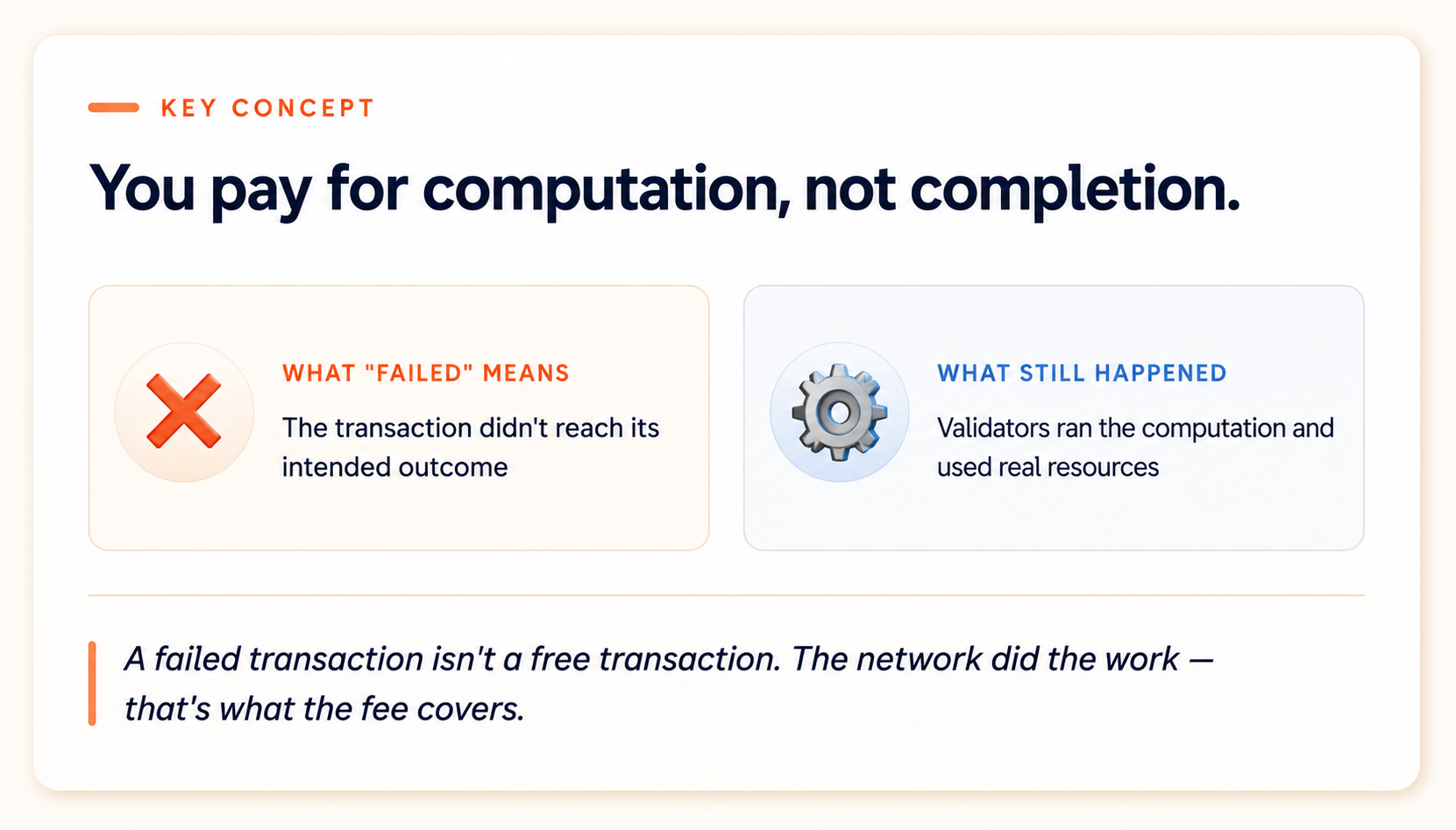
When a transaction fails, validators have still attempted to execute it. They’ve worked through the instructions, used up computing resources, and reached a point where something stopped the operation from completing. Maybe the gas limit was set too low to cover the full computation. Maybe a smart contract hit an error partway through. Maybe a required condition wasn’t met in time.
In each case, the network did work. The fee is for that work, not for the outcome.
“Failed” doesn’t mean nothing happened. It means something was attempted and didn’t reach the intended result. That distinction is why you’ll sometimes see a fee in your transaction costs history even when the action itself didn’t go through.
How Can You Pay Less Gas Without Getting Lost?
You don’t need to understand every technical detail to keep transaction fees manageable. A few simple habits help quite a bit.
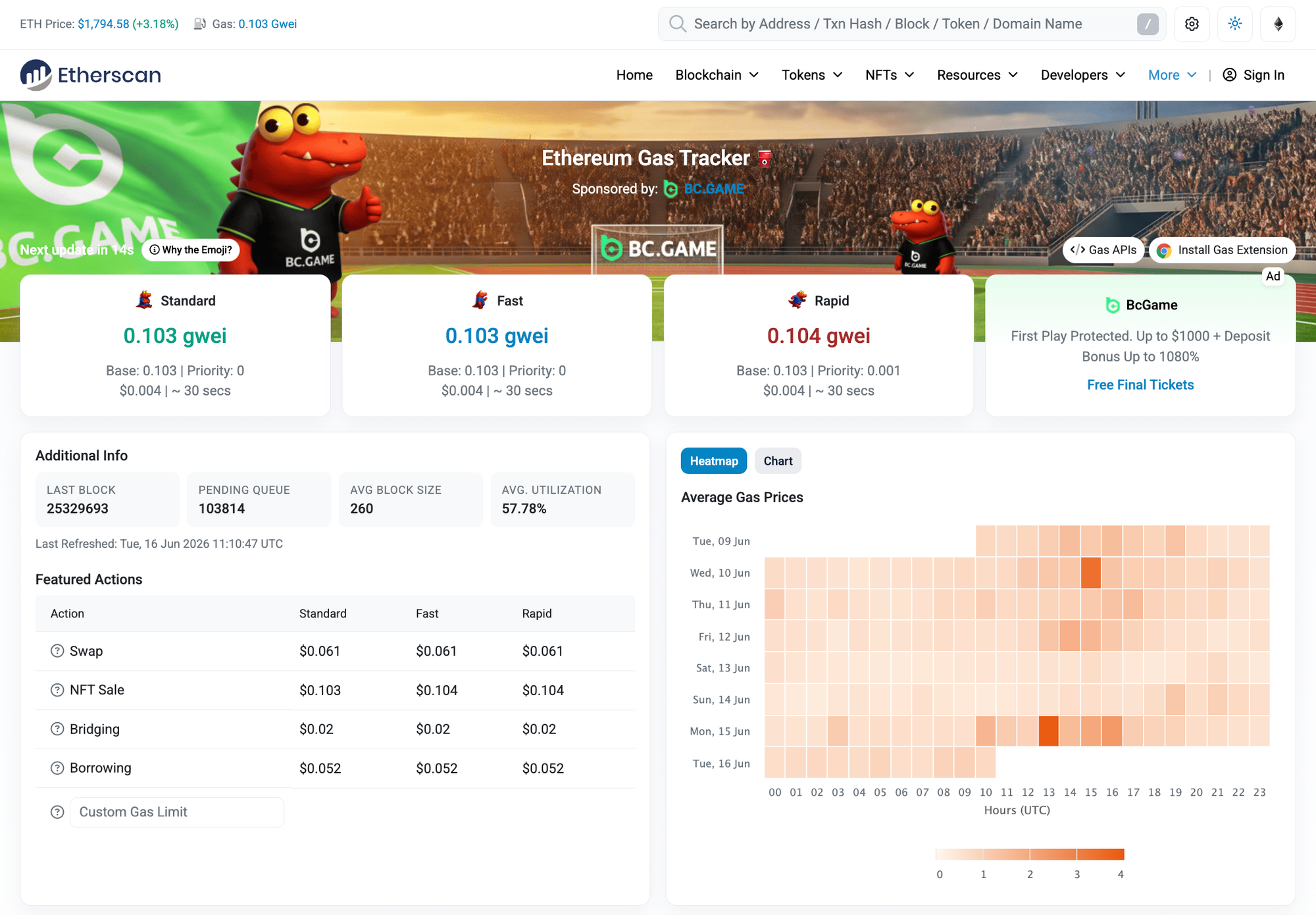
Timing is one of the easier wins. Early morning UTC and weekends are usually quieter, with less pressure on block space. Before confirming anything, pull up a real-time gas tracker. Ten seconds is all it takes to know whether you’re about to walk into a peak-hour fee or not.
Many wallets also offer speed tiers, typically slow, average, and fast, each priced differently. Going slow doesn’t mean the transaction fails. You’re just willing to wait for a quieter slot in the queue, and you pay a bit less for it.
Layer 2 networks are worth knowing about if you’re doing a lot on-chain. They handle transactions off the main Ethereum chain and settle them in batches, which can bring transaction fees down substantially. Most wallets have caught up with this and now support at least one Layer 2 option.
Keeping transactions straightforward helps too. A direct token transfer will always cost less than routing through multiple protocols. And if your wallet shows a gas estimate before you confirm, taking a moment to understand what it reflects is more useful than just accepting or rejecting it.
What Gas Fees Really Come Down To
Gas is the cost of blockchain computation, not just the cost of sending crypto.
What you pay depends on how complex the transaction is, how much demand there is for block space at that moment, and how Ethereum’s base fee and priority fee are set when you confirm. And if something goes wrong, a fee can still apply, because the network performed the computation regardless of the outcome.
Most of what feels counterintuitive about gas fees follows from one idea: you’re paying for processing, not for results. Once that lands, most of the behaviour makes sense.
Disclaimer: The content provided in this article is for educational and informational purposes only and should not be considered financial or investment advice. Interacting with blockchain, crypto assets, and Web3 applications involves risks, including the potential loss of funds. Venga encourages readers to conduct thorough research and understand the risks before engaging with any crypto assets or blockchain technologies. For more details, please refer to our terms of service.