
Table of Contents
If you spent any time in the crypto space over the last few years, you know the drill. Buying Ethereum (ETH) usually meant setting up an exchange account, waiting for ID verification, figuring out how to use a software wallet, and then sweating profusely as you double-checked a 42-character long address before hitting send.
For many, that was a rite of passage. For others, it was a massive headache.
That barrier to entry changed recently. With the arrival of Ethereum ETFs, the second-largest cryptocurrency has finally moved from the fringes of the internet into the heart of the stock market. Everyone can now gain exposure to ETH just as easily as buying shares of Apple or Coca-Cola. This opens the doorway for continued institutional adoption, and is a huge win for anyone who wants in on the price action of ETH without the technical headaches.
What Is an Ethereum ETF?
Think of an Exchange Traded Fund (ETF) as a basket that holds an asset or a group of assets. Buying a share of an ETF entitles you to a slice of that basket. So, what is an Ethereum ETF? In simple terms, it’s a basket holding Ethereum, and goes up and down based on the price of ETH. This allows anyone to gain exposure to Ethereum’s value (up and down price action) through a regular brokerage account.
Let’s use a gold ETF as an example. Most people who want to invest in gold don't actually want a pile of heavy yellow bars sitting under their bed. They want to benefit if the price of gold goes up. They buy a gold ETF because it’s convenient, regulated, and liquid.
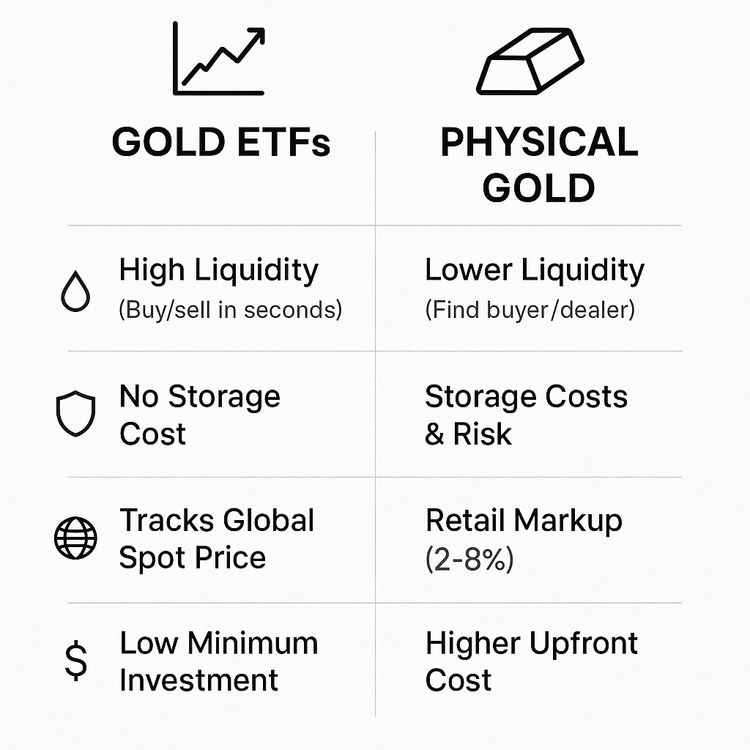
Ethereum ETFs do the same thing for crypto. You don't own the actual ETH tokens. Instead, you own shares in a fund that owns the ETH for you. It’s essentially indirect exposure.
How Ethereum ETFs Work
We’ll take a look under the hood to see what happens behind the scenes with ETFs. When you buy a share on a stock exchange, the fund provider (e.g. BlackRock or Fidelity) is responsible for the operational work.
These fund providers work with specialized firms called custodians, who store the actual underlying cryptocurrency. These custodians use high-security cold storage, which means the private keys are kept offline and away from hackers. They also handle all the regulatory filings and tax reporting.
The fund uses a process called "creation and redemption" involving Authorized Participants. These are usually big banks or market makers. They ensure that the price of the ETF stays very close to the actual market price of Ethereum. If the ETF price starts to drift away from the price of ETH, these big players step in to arbitrage the difference, keeping everything in sync for the retail investor.
Types of Ethereum ETFs
Not all Ethereum ETFs are the same. Depending on what you’re looking for, you have a few different options.
Spot Ethereum ETFs
These are the gold standard, and considered the standard for most investors. Spot Ethereum ETFs actually hold the physical (well, digital) ETH in a vault. When the price of ETH goes up by 5% on a crypto exchange, the value of the spot ETF should also go up by roughly 5%.
Spot Ethereum funds are popular because they are straightforward. There are no complex derivatives involved. It’s just the fund holding the asset and you holding the fund.
Ethereum Futures ETFs
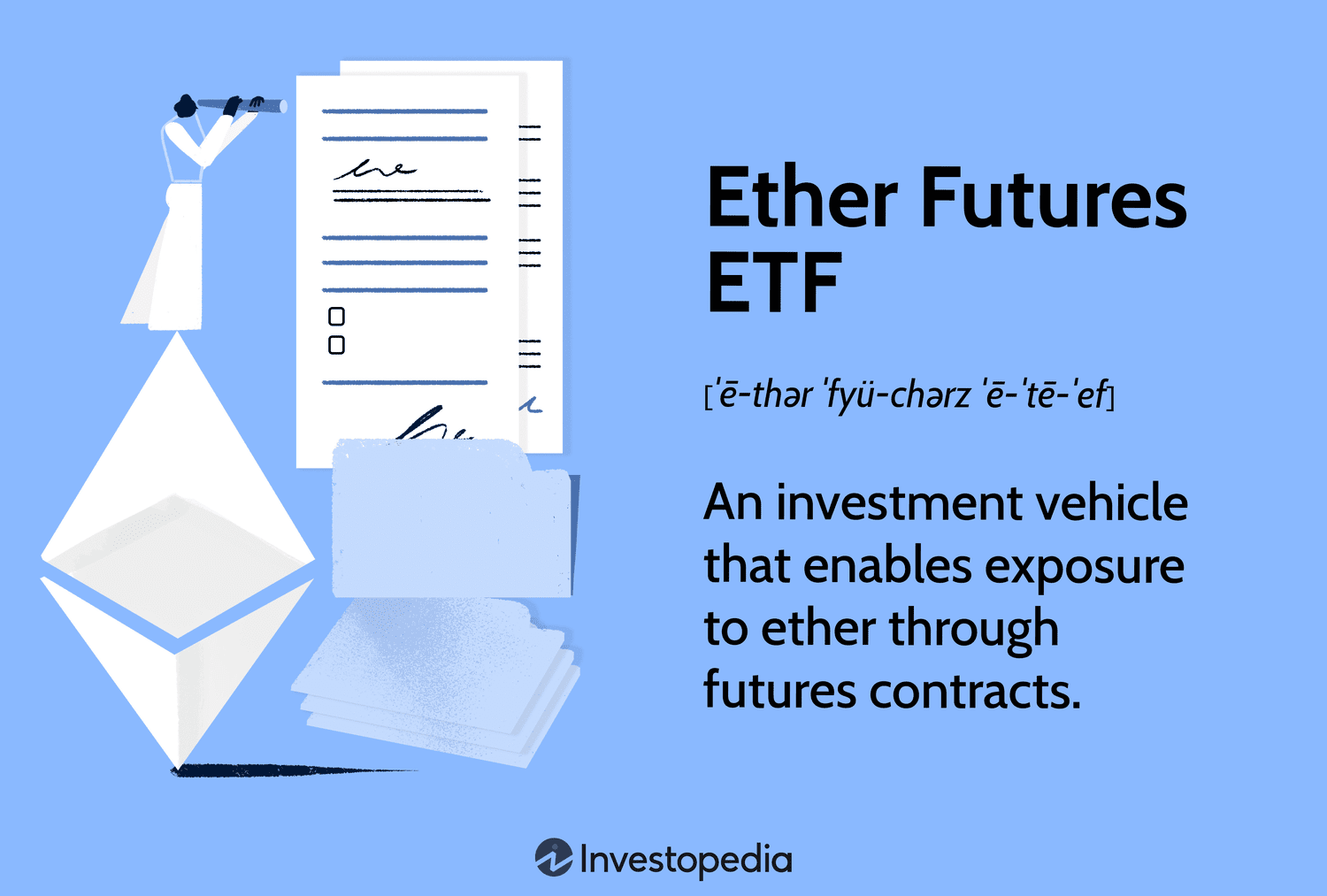
Before the spot versions were approved, we had Ethereum Futures. These funds don't hold actual ETH. Instead, they trade Futures Ethereum contracts on regulated exchanges like the CME (Chicago Mercantile Exchange).
These are essentially bets on what the price of ETH will be at a certain date in the future. For long-term holders, spot Ethereum ETFs are typically preferred over others.
Hybrid or Strategy ETFs
Some providers get a bit more creative, and combine multiple strategies into one. For example, some funds combine Ethereum exposure with other assets, or use options strategies like covered calls to generate extra income (yield) for shareholders.
Ethereum ETF vs Buying ETH: Key Differences
Both give you exposure to the same asset, but there are key differences to actually owning ETH compared to an ETF share.
Ownership and Control
When you have ETH in your own wallet, such as a hardware wallet, you have control and sovereignty. With ETFs, you own a security that represents the value. You can't withdraw that ETH to your own wallet. You are trusting the fund manager.
Accessibility and Convenience
This is where the ETF wins. Most people already have a brokerage account for their stocks or retirement. Adding Ethereum is now as easy as clicking buy on a ticker symbol. No need to go through the difficult process of learning about seed phrases or gas fees.
Security Responsibility
In crypto, there is a famous saying: "Not your keys, not your coins." If you lose your hardware wallet and your backup phrase, your money is gone forever.
With ETH ETFs, that risk is gone. If you lose your brokerage password, you just call the help desk.
Utility and Ecosystem Access
If you want ETH for more than just price action, the ETF isn’t for you. Ethereum is an entire ecosystem of decentralized finance (DeFi), gaming, NFTs, etc.
ETF shares don’t allow you to buy a digital collectible, pay gas fees, or provide liquidity on a decentralized exchange (DEX) for yield. If you want to actually interact with and use the Ethereum blockchain, you have to own native Ethereum tokens.
Fees and Costs
ETFs charge an "expense ratio." This is an annual fee (usually less than 1%) that is taken out of the fund's value to pay for the management. When you buy ETH directly, you pay a one-time trading fee. Transferring your ETH around on the blockchain also costs gas fees.
Advantages of Ethereum ETFs
Benefits of Ethereum ETFs aren’t just down to convenience:
- Tax-Advantaged Accounts: This is the important one. In many countries, retirement accounts (like an IRA or 401k) don’t allow you to put actual crypto into them. But you can put ETFs in there.
- Regulatory Peace of Mind: The SEC oversees and regulates ETFs. For many investors, this acts as a stamp of approval that makes the asset class feel safer.
- No Technical Risk: The fund handles security. This isn’t crypto, where there are real concerns about your exchange getting hacked or your wallet being drained by a malicious smart contract.
Step-by-Step Guide: How to Buy an Ethereum ETF
The process of buying an Ethereum ETF is incredibly simple. It’s the same process you would use to buy a share of any major company.
Step 1: Choose a Brokerage Platform
The good news is that most major brokerages now actually offer crypto ETFs. Choose one that offers Ethereum ETFs, and suits your needs.
Step 2: Open and Verify Your Account
This process usually involves providing your ID and some basic financial information. This is typically faster and more standardized than signing up for an offshore crypto exchange.
Step 3: Fund Your Brokerage Account
Link your bank account and move some cash over. Since you are working within the traditional banking system, this is usually a very smooth process.
Step 4: Research Available Ethereum ETFs
There isn’t just one Ethereum ETF. Multiple funds and brokerages have their own version. One tip in conducting your research is to look at the Expense Ratio (how much they charge you per year) and the AUM (Assets Under Management). In general, larger funds with lower fees are best.
Step 5: Place Your ETF Order
Once you’ve made a choice, search for the ticker. You can place a Market Order to buy your chosen ETF immediately at the current price. Or set a Limit Order if you want to wait and buy at a certain price.
Step 6: Monitor and Manage Your Investment
You’ll now be able to track performance, set stop-losses, and see your total gains / losses in real-time. Remember to also check for any potential tax implications post purchase.
Conclusion
The launch of Ethereum ETFs marks a maturation milestone for crypto. The asset class is no longer just for the tech-obsessed, although they’ll still always be welcome. Users no longer need a PhD in DeFi or wallet seed phrase setup. This opening of doors for everyone to be able to gain exposure to crypto is what makes Ethereum ETFs special!
Disclaimer: The content provided in this article is for educational and informational purposes only and should not be considered financial or investment advice. Interacting with blockchain, crypto assets, and Web3 applications involves risks, including the potential loss of funds. Venga encourages readers to conduct thorough research and understand the risks before engaging with any crypto assets or blockchain technologies. For more details, please refer to our terms of service.