Table of Contents
Conservative investors choose stable assets with low risk and low returns, while those who prefer aggressive strategies take on more risk to potentially achieve higher returns. If you are a beginner investor, it may be tempting to invest in volatile stocks or crypto to earn more. However, this is not always the best way.
Increasing portfolio risk is a tool that only makes sense under certain conditions. And you can carefully use this tool if it realistically helps you achieve your financial goal and is appropriate for your time horizon.
We are not discouraging you from investing in high-yield bonds or ETFs, but we will analyze when it is logically justified. Read on to learn how to make the right decision.
When Does Increasing Portfolio Risk Make Sense?
Conservative assets are generally liquid products with historical 2–5% returns and minimal volatility. These are Treasury bills, CDs, money market funds, and bond funds. Aggressive assets like S&P 500 ETFs, growth stocks, and crypto are volatile instruments with returns of 8–12% or higher.
How to make portfolio risk higher? Risk is just a feature inherent to certain asset types. If you increase the proportion of products like Bitcoin and decrease the share of fixed deposits and government bond investments, the risk will naturally increase.
When does this make sense? This may be justified if you build a new portfolio from scratch and need to align it with your specific goal. For example, if you want to build massive wealth or plan for retirement, low-yield assets may feel restrictive and make it harder to reach the desired outcomes. Then you can choose high-risk instruments from the very beginning.
Another case when increasing risk is logical is a major change in life. You may feel that the current portfolio no longer aligns with your objectives and you have to restructure it. For instance:
- You got promoted and want to invest more money.
- You have children and want to build up your capital.
- You want to pay for an education and need to plan for a longer time horizon.
Please note that the list of good reasons does not include the desire to make quick money on hype assets and chase fleeting market trends. This is not about speculation. You should only adjust asset allocation to match real goals and circumstances.
How Does Time Horizon Affect This Decision?
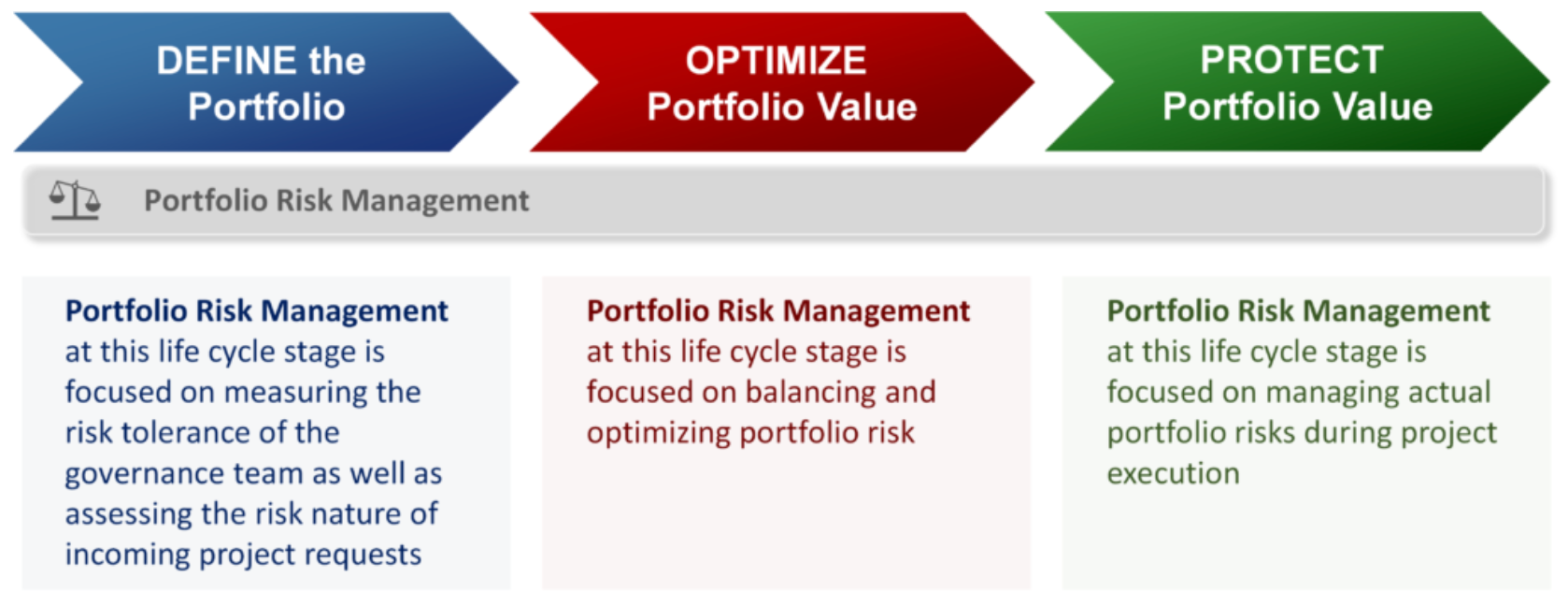
An investment horizon is the length of time you expect to keep money invested. It can be short-term (1–5 years) or long-term (10–30 years). It’s defined by your goal and how urgently you need to cash out. The time horizon determines the acceptable level of risk:
- The more time you have, the more small-cap stocks, emerging market equities, commodities, and REITs you can add to your portfolio. There’s a greater ability to withstand market declines and allow assets to recover.
- The less time you have before you need your money, the more stable and liquid the investment should be. Even potentially rewarding risk becomes inappropriate. If the asset’s price drops, you may not have time to wait for it to recover, and you may be forced to sell at a loss.
Your age also matters. When you are 25, you may be fine with a higher equity exposure. You can afford to have an aggressive risk profile. When you are 65, you may need to shift from stocks to cash products. To learn more, check 401(k) age-based asset allocation guidelines.
Signs That Show You Can Take on More Risk
Decided to switch from investing in popular blue-chip stocks to holding risky growth funds? To know that this idea 100% suits your needs, take a closer look at scenarios below. These real-life conditions are signs that you can customize your asset allocation with confidence.
You Don’t Need This Money in the Near Future
Your goal is long-term. This could be wealth generation or saving for retirement. If you’re married, go through the long-run investment planning with your spouse. When you clearly know that the money will not be needed in the coming years, you can allocate a large share of the portfolio to volatile products.
Your Financial Position Is Stable
You have stable income, a solid emergency fund, and no critical debt. You can afford to take on risk with more exposure to equities, and a sudden loss won’t ruin your financial well-being. It’s only safe to choose high-risk assets if your life outside of the portfolio is okay.
Your Current Portfolio May Be Too Conservative for Your Goals
You can’t achieve a large goal with your current instruments, or it would take too much time. You could invest in unstable products with higher potential returns if your portfolio grows too slowly to meet your needs. Doing so is a way to align the strategy with the objective.
You Can Tolerate Market Declines Without Changing Your Plan
You don’t run away from risks and have strong emotional stability. You don’t panic if the asset price fluctuates, don’t buy assets on hype, and don’t experience the fear of missing out. It’s important to carefully consider your risk tolerance before making any decisions. If you can handle drawdowns easily, feel free to consider increasing the risk of investments.
Why Shouldn’t You Increase Risk Too Quickly?
It’s a common mistake to abruptly replace all cash products and CDs with stocks and growth funds. This can have unpleasant consequences:
- You may not have enough time to learn about the new products, so you run into limitations or problems with asset management.
- You could encounter bigger losses due to bad timing decisions, especially if you need to take the money out soon.
- You risk not being able to handle the volatility emotionally, and you could start trying to chase losses.
- Your portfolio balance can break down, causing you to buy high and sell low when adopting a new, untested strategy quickly.
So, it’s not advisable to switch from a conservative person to a venture capital enthusiast overnight. Risk adjustments should be gradual and aligned with a plan, not driven by personal desires, news, or recent market movements.
When Should You Avoid Increasing Portfolio Risk?
In some cases, an increase in risk may not be acceptable or appropriate at all. Conversely, when circumstances change, it may be recommended to significantly reduce risks, even if it feels like a missed opportunity. Here are some scenarios.
You Will Need the Money Soon
If you are saving for a short- or intermediate-term goal such as a wedding or a big vacation, you should dial back risk and keep your portfolio conservative. When you have to withdraw and use the money, you are far less likely to experience forced losses and regret it.
Your Financial Base Is Not Strong Enough
You have debts or high-interest loans. You don’t have an emergency fund, savings, or retirement plan. Then increasing risk makes the situation more fragile, not more beneficial. Any unforeseen event can force you to sell assets at the wrong time.
You Are Reacting to Market Noise or Recent Performance
You are prone to gambling, always follow all the news, and emotionally react to changes. The urge to take more risk during hype cycles is a trap. Such decisions are usually not based on real goals, which is why they often lead to poor results.
How Can You Increase Portfolio Risk More Carefully?
We recommend that you increase portfolio risks only after fully considering the potential consequences. Here’s how to do this without damaging the portfolio:
- Make changes gradually rather than in one step. Take your time to adapt.
- Ensure that changes align with your goals and time horizons.
- Instead of making random purchases, use rebalancing.
- Use new cash flows and buy riskier assets with fresh contributions.
- Hold emergency cash separately to keep a safety buffer.
Plus, note that risk management is not a one-time decision. Review your mix of assets and strategies periodically, for example, monthly, quarterly, by threshold, or after a major life change.
When Does Taking More Risk Actually Make Sense?
Taking more risk makes sense when your goal is long-term growth, your money won’t be needed soon, your finances are stable, and you can stay calm during market swings. In this case, higher-risk assets can help you reach your target faster, and the portfolio can recover from short-term losses. And if these conditions are not in place, extra risk adds more stress than value. Overall, increasing risk should logically follow from your objectives and time horizons. This will help avoid mistakes and allow for more consistent decision-making.
Disclaimer: The content provided in this article is for educational and informational purposes only and should not be considered financial or investment advice. Interacting with blockchain, crypto assets, and Web3 applications involves risks, including the potential loss of funds. Venga encourages readers to conduct thorough research and understand the risks before engaging with any crypto assets or blockchain technologies. For more details, please refer to our terms of service.