
Table of Contents
Bitcoin remains the biggest name in the crypto space. But when it comes to transactions, stablecoins rule the space. Stablecoins are simply digital assets that maintain a 1:1 peg with another asset like the U.S. dollar. This stability is why they lead the way in transactions.
That $1 price tag does not stay flat by magic. The issuers of these stablecoins use cash reserves, bonds, debt notes, precious metals, and other cryptos to ensure the 1:1 peg holds all the time.
While this peg mostly holds, there are times when it snaps and the $1 price becomes $0.95 or $0.70. That’s a stablecoin depeg. Let us take a walk through how this works so you can protect your crypto stash without losing your mind.
What Is a Stablecoin Depeg?
A depeg occurs when a stable asset moves away from the value it is supposed to track. Most stablecoins attempt to track the U.S. dollar. So, when a token moves away from $1, it has lost its peg. Now, do not stress out if you see your token at $0.9995 on a Tuesday afternoon.
Tiny depegs like this are completely normal. Order books constantly breathe in and out as trading volume flows. Arbitrage bots quickly step in to buy small dips and sell tiny spikes. That is just regular market activity. A real stablecoin depeg is an entirely different beast.
It happens during serious stress scenarios when user confidence starts breaking apart. The price drops to $0.80 or even lower. Buyers vanish. Sellers crowd the doors. You need to know the difference between a casual and a true depeg to keep you from making mistakes out of panic.
Why Do Stablecoins Depeg?
In most cases, there are several problems occurring when stablecoins lose their pegs. Pools of liquidity frequently become weak, redemptions slow down, doubts about reserves creep in, and there are technical glitches.
A sudden wave of new market fear can trigger a rapid loss of balance across major exchanges. Understanding stablecoin depeg causes helps you pick safer assets. Let us take a close look at how these dominoes fall.
Reserve or backing problems
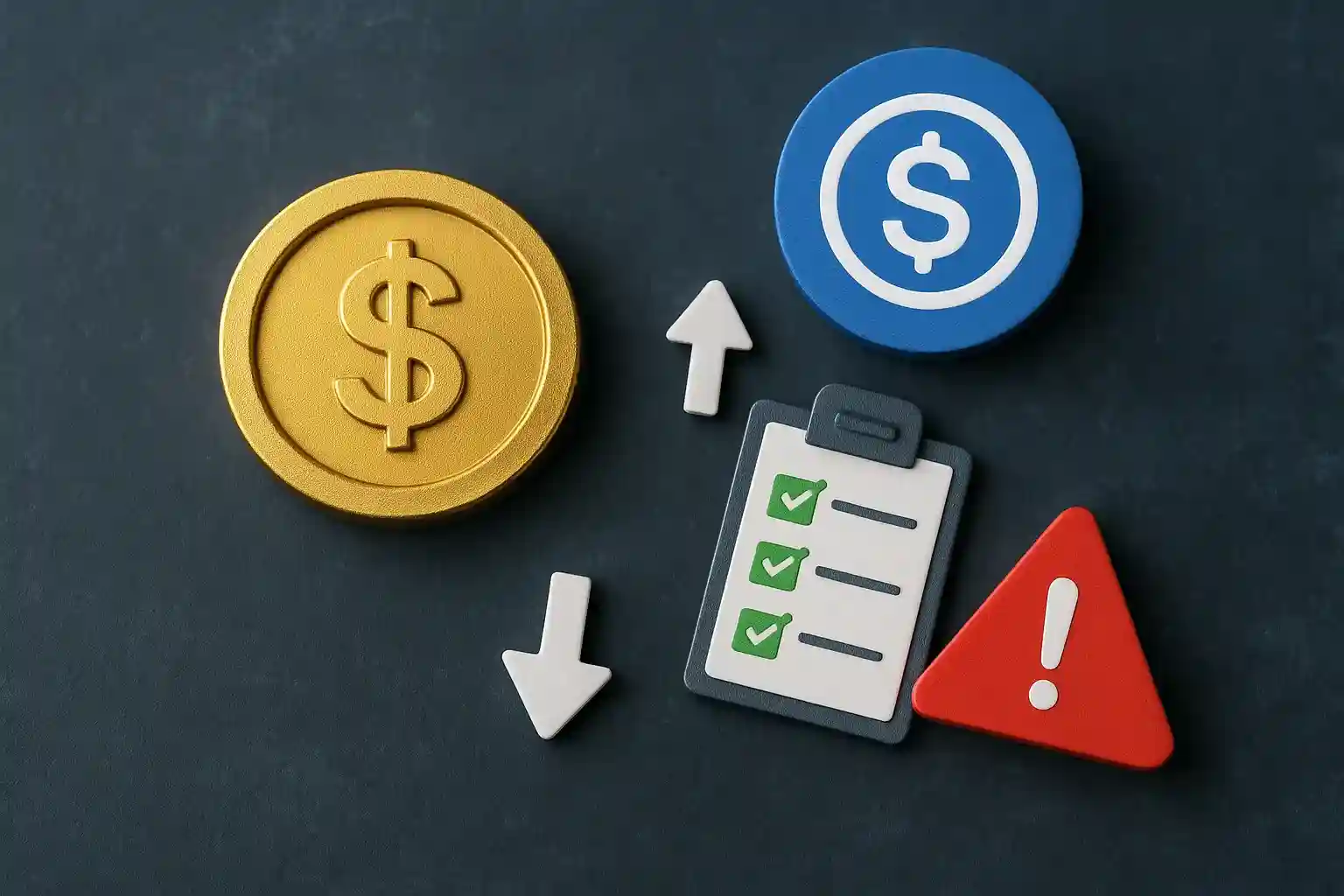
Stablecoin issuers promise that their tokens are backed by real assets. They often cite cash reserves, corporate paper or U.S. Treasury bills. Things get rocky when traders start doubting those reserves.
If rumors spread that an issuer lacks enough cash, panic sets in fast. Furthermore, backing is not a one-size-fits-all deal. Holding pure cash and government debt is super safe.
Holding risky corporate bonds or illiquid loans is a huge gamble. If users start worrying that they cannot redeem their tokens for real fiat cash, the stablecoin peg comes under intense pressure. Transparency and fast redemption mean everything here.
Liquidity and market panic
Suppose that everyone in an arcade decides at the same moment to exchange their prize tickets for money. If the cash counter has just 50 bucks, then you have a big problem. This liquidity and market panic can cause depegging of stablecoins.
With thousands of traders moving into the liquidity pools at the same time, prices drop below $1. When liquidity is low, it means that the stablecoins can be at a much greater risk during periods of volatility. Fear spreads and more traders rush to sell, causing the price to drop even more.
Mechanism or smart contract failure
Not every token relies on cash sitting in a traditional bank vault. Decentralized stablecoins use crypto collateral held inside automated smart contracts. Users rely on stablecoins for predictable trading, but code can fail.
If crypto markets crash too fast, automated liquidation systems can get backlogged. The protocol becomes undercollateralized before it can recover. Algorithmic designs are even trickier because they rely on market incentives and arbitrage loops rather than physical cash.
A single math error, governance failure, or sudden market crash can send the token into a spiral. When a major depeg hits an algorithmic setup, recovery can be nearly impossible. In these setups, maintaining proper stablecoin collateral levels is vital to survive high volatility.
Why Does a Depeg Matter for Users?
You might think a small price drop to $0.95 sounds like a minor detail. But in crypto, small drops create giant shockwaves. Millions of traders use stablecoins as their baseline currency for everyday activities. Traders count on stablecoins to lock in profits after a great trading week.
When a stablecoin depeg strikes, everyday users face instant financial damage. If you sell during a crash, you permanently lose part of your capital. But the pain goes way beyond your wallet balance. Traders looking for new opportunities can get caught off guard.
If you use these tokens in DeFi apps, a broken dollar value can destroy your setup. Many lending platforms accept stablecoins as collateral for crypto loans. If the token value sinks, your loan health ratio plunges instantly.
Automated liquidation bots will wipe out your position and charge huge liquidation fees. Slippage on decentralized exchanges also skyrockets, making it super expensive to swap out. Holding stablecoins during stress requires constant attention to avoid unexpected losses. In short, a bad depeg event ripples through every corner of the market.
How Can You Tell If a Depeg Is Serious?
When a price starts wobbling, you need to stay cool and analyze the situation carefully. Not every discount is a total disaster. Evaluating stablecoins during market drops requires clear data rather than pure emotion. Here is how you can tell if a drop is just a small scratch or a life-threatening wound.
Size of the price deviation
The size of the price drop tells you a huge story. A brief dip down to $0.998 is usually harmless market noise. Traders watch how stablecoins behave at different price tiers to gauge market health.
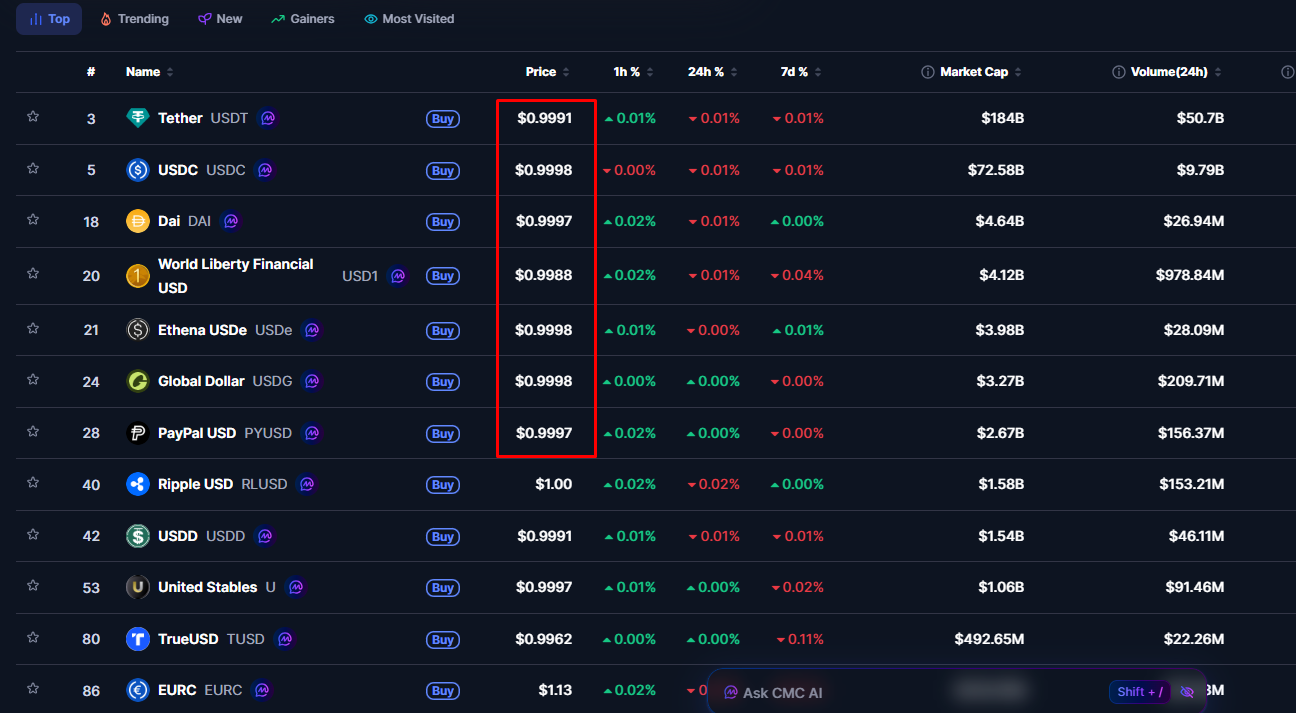
Arbitrage traders will jump in fast to buy cheap tokens and redeem them for an easy profit. However, if a price drops down to $0.90 or $0.80, you are looking at serious trouble. A drop that steep means standard arbitrage has completely broken down.
Big traders are refusing to buy the discount because they fear the issuer cannot pay them back. The farther the price strays from $1, the lower the market’s faith in full redemption.
Duration of the depeg
Time is just as telling as price depth. A quick drop that snaps back to normal within an hour shows that market mechanics are working smoothly. Healthy stablecoins regain their dollar value quickly after brief market panics.
On the flip side, a prolonged depeg that drags on for days points to deep balance sheet wounds. A fast recovery prevents a minor bump from becoming a full stablecoin depeg. If a token stays stuck at $0.94 for forty-eight hours, something is broken under the hood. It usually means redemptions are paused or underlying reserves are missing. Duration shows you if you are dealing with a quick speed bump or a broken axle.
Market and issuer signals
Do not just stare at the price chart on your screen. Look at the bigger market context around the token. Monitoring stablecoins involves checking volume and reserve reports constantly. Recognizing a stablecoin depeg early allows you to move funds safely.
Check trading volume and liquidity pool ratios on decentralized exchanges. If a pool is 95% filled with the unstable token, everyone is trying to ditch it. Watch official announcements from the issuer.
Are they giving clear, verified new updates and keeping redemptions open? Or are they making excuses while pausing withdrawals? Pay attention to major crypto exchanges too. If top exchanges freeze deposits or withdrawals, the risk level jumps through the roof.
Which Stablecoins Are More Exposed to Depeg Risk?
To understand stablecoin depegging, you must look at how tokens are built. Comparing stablecoins reveals different structural vulnerabilities across the market. How a token is engineered determines where its weak points lie.
Fiat-Backed Token
These are backed by real cash, bank deposits, and government bonds. They are generally the safest option in calm times. Fiat-backed stablecoins rely heavily on traditional banking systems. Their weak spots are bank failures, frozen accounts, and secretive audit practices.
Crypto-Backed Tokens
These use other crypto assets as collateral. Everything is visible on the blockchain, which is great for transparency. Crypto-backed stablecoins depend on smart contract stability and liquidation algorithms. Their main danger is sudden crypto market crashes that trigger mass liquidations.
Algorithmic Tokens
These use code, mint-and-burn mechanics, and market incentives instead of hard backing. Algorithmic stablecoins present unique mechanism risks. They are the most vulnerable setup because stability relies entirely on ongoing market trust. If trust vanishes, the token can enter a fatal downward spiral.
From the major types of stablecoins we have, we can see that algorithmic stable tokens are more complex and risky. Because of how risky their dollar pegs are, they generally have the highest exposure to depeg risks.
Next are crypto-backed tokens. If the crypto prices that back them swing too widely, they could lose their pegs to the U.S. Dollar. Fiat-backed stable tokens with verified reserves offer the strongest pegs. However, they are not fault-proof, as even banks and currencies can collapse.
How Can You Reduce Exposure to Depeg Risk?
You can never remove risk completely in the world of crypto, but you can protect yourself like a seasoned pro. Taking smart preventative measures keeps your money safe when markets get chaotic.
First, avoid putting all your funds into a single digital asset. Diversifying stablecoins reduces single-point failure risks across your entire portfolio. Spread your cash reserves across two or three trusted tokens. Second, check reserve transparency.
Safe stablecoins display clear third-party audits on a regular schedule. Third, look at liquidity. Top stablecoins maintain deep liquidity across major exchanges. High liquidity makes them much safer to swap during high volatility.
Avoid chasing crazy high yields on sketchy protocols. If a project promises a 25% return on digital dollars, they are taking massive underlying risk with your funds.
Before jumping into new trading protocols, check their audits and real user feedback. Holding multiple stablecoins protects your digital cash balance during sudden market panics. Strong stablecoins survive harsh market stress tests without losing their composure.
Checking stablecoins regularly keeps your portfolio secure over time. Trusted stablecoins publish transparent reserve details daily to keep the public informed.
What Should You Do During a Depeg Event?
If a real depeg event breaks out while you are holding tokens, stay calm. Swapping stablecoins during panic can cause major losses that you can never recover. Step back and assess how deep the drop really is.
Next, check where the best exit liquidity lives. Compare prices across central exchanges and decentralized trading pools. Centralized platforms often offer better rates when decentralized pools get drained.
Avoid clicking suspicious links on social media or joining random Telegram channels offering new emergency swap tools. Scammers prey on frantic traders during every major depeg event.
Traders using stablecoins in lending markets must monitor health ratios immediately to avoid liquidation. Exiting weak stablecoins quickly requires finding good liquidity before pools dry up completely.
Conclusion: What Should You Remember About Depeg Risk?
Popular stablecoins will continue to play a big role in crypto for years to come. They provide speed, convenience, and a steady bridge between traditional finance and decentralized markets. But they are not indestructible vault accounts.
Understanding how stablecoins operate protects your investments from sudden market surprises. Choosing reliable stablecoins ensures smooth trading for years without constant anxiety. Remembering how a stablecoin depeg develops helps you stay ahead of market panic.
Disclaimer: The content provided in this article is for educational and informational purposes only and should not be considered financial or investment advice. Interacting with blockchain, crypto assets, and Web3 applications involves risks, including the potential loss of funds. Venga encourages readers to conduct thorough research and understand the risks before engaging with any crypto assets or blockchain technologies. For more details, please refer to our terms of service.