
Table of Contents
You’ve probably noticed that crypto holders, traders, and investors often use long strings of letters and numbers when dealing with their assets. If you’ve ever looked at an open blockchain ledger, you might have seen similar-looking details. These are called wallet addresses, and they are used to identify and transfer digital assets.
Every crypto transaction depends on wallet addresses — unique identifiers that let users send and receive cryptocurrencies. You won't be able to own and manage assets unless you create a wallet and get your address. So, it’s important to understand how these work and how to protect them.
What Is a Crypto Wallet Address and How Does It Work?
Here, we’ll try to make money management less scary and cryptic to you. Let’s define some terms.
A crypto wallet is the tool that allows users to access, send, and receive currency. Each wallet has two keys: a public key that identifies it and a private key that helps transfer funds to others and prove ownership of the coins. These two are mathematically linked, but it's impossible to determine the private key with only the public one.
Imagine that your public key is your name. Anyone can use it to contact you. And the private key is your innermost thoughts and emotions. It's best not to share them with everybody.
A wallet address is a unique string of letters and numbers that represents a user’s digital “destination” on the blockchain. It’s derived from the user’s public key (in some cases, that is it). The address functions like an account number that allows others to send crypto securely.
How it works:
To receive cryptocurrency, you provide ONLY your public wallet address to the sender. They will then send coins to that address, and the transaction will be recorded on the blockchain network.
To send cryptocurrency, you need to know the recipient’s address. You will use your private key to sign the transaction, showing the network that it's okay for you to transfer the funds.
Remember that the private key is essentially a secret. It can be thought of as a password for online banking. If someone else has it, they may get your money. So, be careful with it.
Crypto Wallet Address vs. Bank Account: What’s the Difference?
We know that the topic can be confusing. In that regard, let's see one more analogy.
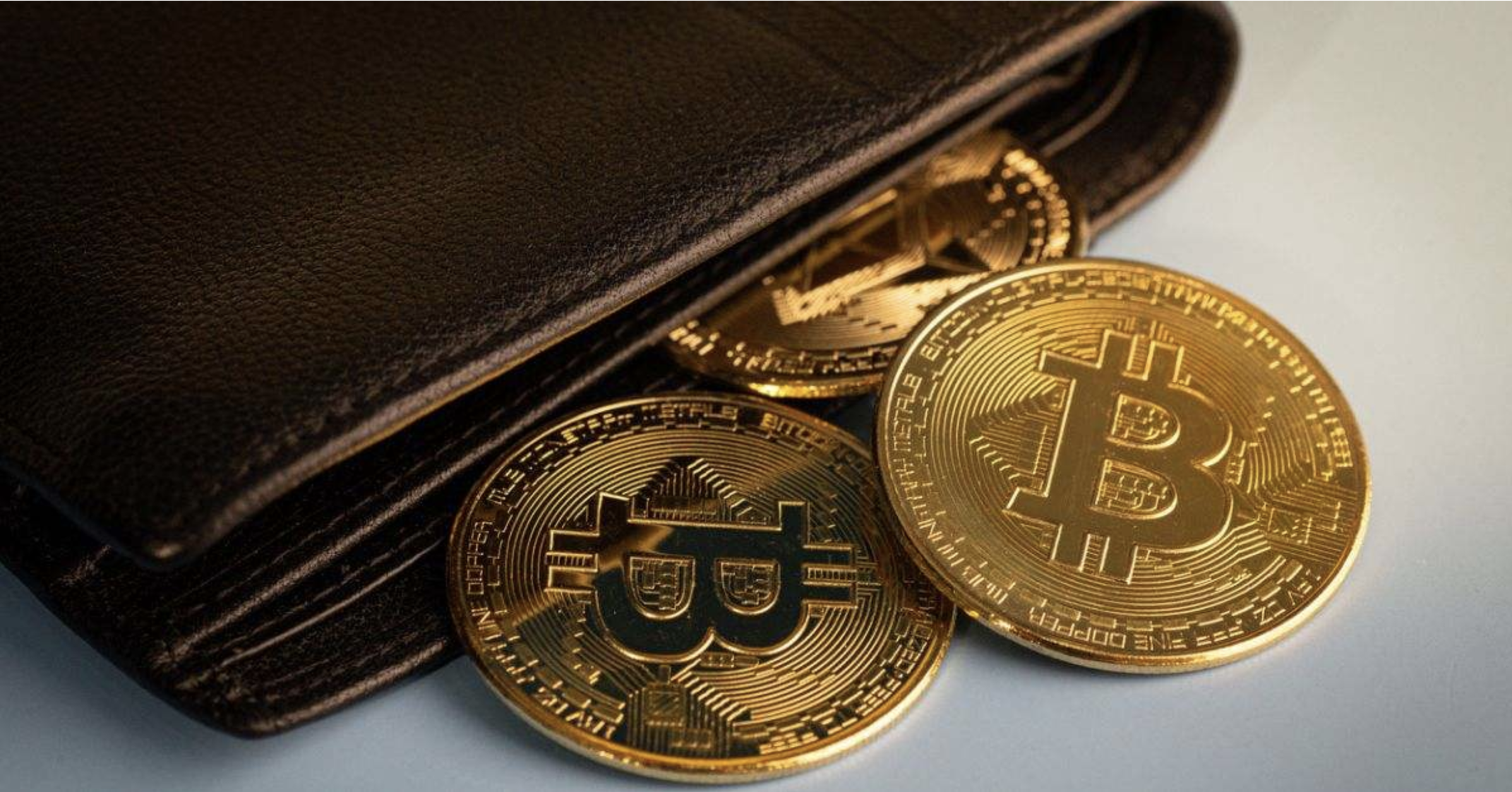
Wallet addresses can be compared to your usual bank account number. You can share it with others safely. Even if strangers find out the number, they won't be able to do anything with the assets associated with it. Unless they send you more money to this address.
However, everything is not so simple with Web3. Crypto wallet addresses have features that distinguish them from bank accounts. Here are the similarities and differences.
Similarities: Sending, Receiving, and Storing Value
At first glance, cryptocurrency wallets and bank account numbers serve the same purpose – financial management. And they really have common functions, for example:
- Transferring value. Both a bank account and a crypto wallet allow you to send money to another person. In both cases, this requires a unique identifier. For the transaction to be successful, the recipient's details must be correct.
- Tracking balances. Both systems allow you to own funds and view the current balance. You can check how much money you have in your account at any time.
Differences: Decentralization, Anonymity, and Ownership
The technological revolution and the new rules for managing digital assets have had an impact. For example, there are varying degrees of control and ownership. Here are the main features:
- Decentralization. Bank accounts are centralized and belong to the bank, which processes all your transactions as an intermediary. The bank can block your funds or cancel a transaction. Crypto wallets work on decentralized networks, and there is no company that controls your money. You can make transfers at any time, and no one can stop you.
- Anonymity. To open a bank account, you must provide an ID or a passport. That’s the KYC procedure. Wallet addresses aren’t tied to personal identity and do not contain your personal data. You don’t need an ID and can enjoy complete anonymity.
- Your keys are your money. The ownership issue is also different. When you deposit money into a bank, it becomes legally responsible for your funds. You trust it. With a cryptocurrency wallet, you have full ownership of your assets. This right is secured by owning a private key. As long as you have it, no one can take your funds.
Why Lost Addresses or Keys Can’t Be Recovered
The actual coins are always stored on the blockchain. Your wallet just gives you the tools to manage them. And as you know, blockchain systems lack centralized recovery mechanisms.
Only you with your key can access and use your money (trade, transfer, spend). But if you lose your private key, no one will be able to recover it. So, funds will become permanently inaccessible.
Aside from the fact that the private key should be remembered and kept in a secure place (and it's best to write it down), you also need to be careful about how it is disclosed. It’s a must to keep it confidential.
How to Use Wallet Addresses For Crypto Transactions?
As we described, the process of sending and receiving crypto depends on two keys: the public one and the private one (your digital signature).
To deposit crypto, select the option in your wallet. It will display your unique public wallet address for the specific cryptocurrency you wish to receive. You can copy the address and message it to the sender. Make sure you are sharing the address for the specific blockchain.
To send crypto, you’ll have to take a few more steps, as you are authorizing the movement of funds. Take the wallet address of the person you are sending funds to. Specify the amount you wish to send and include a fee to compensate the network participants.
Then sign the transaction with your private key (when you click the “Send” button, your wallet automatically creates a signature). The signature is proof that you are the rightful owner of the cryptocurrency and allows this transfer.
What’s Next? Confirmation on the Blockchain
After signing, your transaction is sent to a network of computers (nodes) running the blockchain software. The private key itself is never broadcast.
The network verifies your transaction by checking your public key and confirming that you have enough funds. They ensure the validity of the signature and the transaction.
Then, confirmed transactions are placed in a waiting area called a “mempool”. Miners or validators select cryptocurrency transactions from the pool and group them into a block. For their work, you pay network fees. When a block is filled, it goes to an unchangeable chain.
While all transactions in most blockchains are public and traceable, it is difficult to link a specific address to a real person. You can only look up a wallet address and see its transaction history. That is why wallet addresses are safe: they offer no identification details and can’t be hacked.
What Are the Different Types of Crypto Wallet Addresses?
Each address is unique, but this does not mean they are selected based on a random number generator. Address generation has principles and patterns. The main thing that users should know is that different cryptocurrencies and blockchains use their own formats for wallet addresses. We’ve gathered some popular ones to illustrate the diversity.
Bitcoin Address Formats: Legacy, SegWit, and Taproot
For example, Bitcoin wallet addresses start with “1”, “3”, or “bc1”. It is important that each type appeared at its own time and changed with the network evolution. But even now, all three types coexist. Let's consider each one.
Ethereum and ERC-20 Token Address Format
Another example is Ethereum addresses that start with “0x” and are longer than Bitcoin wallet addresses. They look like 42 hexadecimal characters, a combination of numbers (0–9) and letters (A–F). Ethereum-based wallet addresses can store ETH or any ERC-20 token, including a stablecoin USDT, altcoins like SHIBA, and NFTs.
Network-Specific Formats (Solana, Cardano, etc.)
Crypto addresses are not interchangeable. Other networks use different wallet structures, for example:
- Solana (SOL) addresses don’t have a specific prefix and are a Base58 encoded string between 32 and 44 characters long;
- Cardano (ADA) wallet addresses are a Blake2b-224 hash of the relevant public key;
- Litecoin (LTC) addresses start with L or M;
- Ripple (XRP) addresses begin with r;
- TRON (TRX) addresses begin with T.
Note that sending crypto to the wrong type of address can result in permanent loss.
Exchange Deposit Addresses
If you are constantly trading and making crypto transfers, it may be convenient for you to store them on a centralized exchange. The most popular are Binance, Coinbase, Bybit, etc.
Exchanges generate unique deposit public key addresses for users, which may change per asset. To boost privacy, exchanges generate a new address after each transaction.
Despite that older wallet addresses may still be linked to your account and may still function, it’s always important to double-check the correct and updated deposit address within the app or on the website prior to sending funds.
How to Get and Verify Your Wallet Address
Now that you’re familiar with all the technical details, it’s time to get down to practice. Let’s find out how to safely create and locate your wallet address.
Creating a Wallet: Software, Hardware, or Exchange
You have a few options for setting up wallets:
- You can install software wallet apps like Trust Wallet or MetaMask on your computer or phone. They are very convenient for quick access to your funds and trading. They are always online, which makes them vulnerable to cyber threats.
- You can buy cold hardware wallets like Trezor or Ledger. They are physical devices that offer offline storage. With no internet connection, they protect crypto from hackers. But they are less comfortable for daily use and can be costly.
- You can use exchange wallets like Binance or Coinbase Wallet. When you hold crypto on an exchange, you’ll technically have less control over your assets. However, for beginners, they are suitable for storing coins and making transactions.
Generating and Accessing Your First Address
The good news is that you don’t have to worry about the technical side of generating a wallet address after the setup. It will do everything automatically, and you’ll get your public key and crypto wallet address quickly.
Finding the Address Inside a Wallet or Exchange Account
Users view and copy their addresses within apps or tools. To do that, open your wallet, tap the Deposit button, and select the cryptocurrency you want to receive. Your wallet address will be immediately displayed. In most cases, there’ll be a QR code with this address, too.
Using QR Codes and Copy Features Safely
Your crypto wallet address consists of a long and complicated string of characters. To prevent the possibility of mistakes, we advise you to copy them or allow the recipient to scan your QR.
Essential Safety Tips for Managing Wallet Addresses
The management of crypto wallet addresses is always about privacy and security, going hand in hand. Therefore, we present a list of practices that, if followed, protect you from making irreversible mistakes and falling victim to scams.
Always Verify the Recipient Address
Always verify the address before proceeding with the crypto transaction, as your actions are not reversible. Once the transaction is confirmed, you will not get your funds back. For this reason, we suggest verifying at least the first and last few characters of the recipient's wallet address to make sure they match.
Avoid Phishing Links and Fake Wallets
Today, scammers create attractive but deceitful websites or apps that mimic real wallets. This way, they want to steal credentials. Be vigilant with emails that you haven’t asked for, and never click on links that look suspicious. Always find the official URL.
Keep Private Keys and Seed Phrases Secure
The key is your access to your crypto, and the seed phrase is the ultimate key to your wallet. It is extremely important that you do not disclose them to anyone and do not keep them in digital form unless encrypted.
Use Hardware Wallets for Long-Term Crypto Holdings
If you want to hold your crypto for a long time, then find a hardware wallet. It is one of the most secure storage options, as it is completely safe from online attacks and viruses. Cold wallets provide an extra layer of protection and comfort for you.
Send a Small Test Transaction First
Before sending crypto to a new wallet address, send a small test transaction. It will confirm that you have the right address and give you one more step toward the security of your funds.
Conclusion: Manage Wallet Addresses Responsibly
Crypto ownership comes with full responsibility. You rule your own mini-bank. If you diligently verify every transaction, safeguard your private keys and seed phrases, and adopt secure habits, you can protect your assets for the long term.
Disclaimer: The content provided in this article is for educational and informational purposes only and should not be considered financial or investment advice. Interacting with blockchain, crypto assets, and Web3 applications involves risks, including the potential loss of funds. Venga encourages readers to conduct thorough research and understand the risks before engaging with any crypto assets or blockchain technologies. For more details, please refer to our terms of service.