

Table of Contents
Oh no! You woke up, checked your stock portfolio, and everything is dropping. You don’t know how long the downturn will last or if this is just a momentary drop and you are freaking…out! It’s ok. Calm down, keep breathing, and keep reading for more on what you should do and how to handle this situation.
What Should Investors Do During a Market Downturn?
So you have found yourself in the middle of what looks like a market downturn. Most investors who invest long-term (and even some unlucky short-term investors) will find themselves in this situation at some point in their investing careers. Market downturns are quite common in the stock market. If you find yourself in this situation where the market is falling and your portfolio is declining in value you will likely experience a strong urge to take immediate action. Market volatility can cause many people to feel this way, especially when they don’t want to see something negative happen to their investment portfolio.
The main focus of this article isn’t to help you predict the bottom of a market fall, but instead to understand which actions help preserve a long-term plan and which ones tend to be harmful. It’s especially important for investors to react to market movements without panicking. Investors need to prioritize good decision making during downturns, because downturns can sometimes actually be an appropriate time to continue investing (more on this later.) Rather than focusing on how you are losing money faster than someone who got robbed, you may want to consider investing more and buying more stocks.
Are Market Downturns Normal?
Have you heard the terms bull and bear market? Yes, like the animals. Well, the existence of these terms helps explain that corrections and sharp declines are a normal part of investing and shouldn’t keep you from making an investment (if that’s what you want to do I mean.)
In case you didn’t know and are still wondering what a bull and a bear have to do with investing, a bull market is a market that is gaining in value, when the stock market or stocks are winning, and a bear market is when the stock market is experiencing a downturn, or stocks are losing value. In other words, during a bear market, the stock market is not making tremendous gains like it does during a bull market.
As the term “bear market” suggests, downturns happen regularly, but historically the market has recovered from these bear markets and entered bull markets again. Personally I think bears (like the animals) are cuter than bulls so they should have made the bear market the symbol for positive gains in stocks, but I guess nobody asked my opinion. Anyway, it’s important not to judge your entire investment plan on a single difficult period, because difficult periods are bound to happen. It’s important to take a deep breath and not to freak out too much when the market starts to fall, because this is a natural part of investing and you won’t really lose your investment if you don’t sell. It’s just a temporary downturn, and if history shows anything, the market will go back up eventually.


How Should You React When the Market Drops?
As I hinted at in the previous section, your first reaction to the stock market dropping should NOT be to panic sell, move entirely to cash, or try to time the perfect exit and re-entry into the market. Most investors, if they have been investors even for just a little while, eventually hear the saying “don’t try to time the market”. This saying is spread far and wide for a reason. Trying to time the market is generally a bad idea and it’s often how people end up losing a bucket of money! Even the most skilled investors try to avoid timing the market when investing because they know it’s an easy way to lose their investment.
The correct sequence of actions when the market drops is this: pause and take a deep breath first. Review your goals, investment horizon, and current portfolio structure, and only then make decisions about your portfolio. During market downturns, discipline is the name of the game you want to play. Avoid making impulsive decisions that could cause you to lose a lot of money in the end.
How Do You Define Your Priorities Before Making Changes?
So how do you define your priorities? It’s important to make sure you having money for the essentials first. You need to protect your future before you add to your investment portfolio. First you should make sure you have an emergency fund of a few months of expenses just in case anything unexpected happens. Next, keep in mind any upcoming major expenses you are expecting just to make sure you have enough to cover them. Make sure your income is stable and you can cover the payments on any high-interest debt you may have. Next, provide for your long-term goals like retirement or anything else like that you are saving for.
It’s important to keep in mind that not all money should be treated the same way. Money that you might need soon should be exposed to less risk than capital intended for 10-20 years from now. Imagine if you made a risky investment with your emergency fund and lost all of it!? That wouldn’t be good. So you should be more careful with investing that money. Ask yourself the following questions before investing:
“Do I need this money soon?”
“Have I covered all of my upcoming major expenses and is my income stable?”
“Do I have debts that I need to pay down a bit or pay interest on?”
“Am I putting enough money towards retirement and my other future goals?”
This way you can make sure that you are being smart with your money.
Should You Invest During a Market Downturn or Recession?
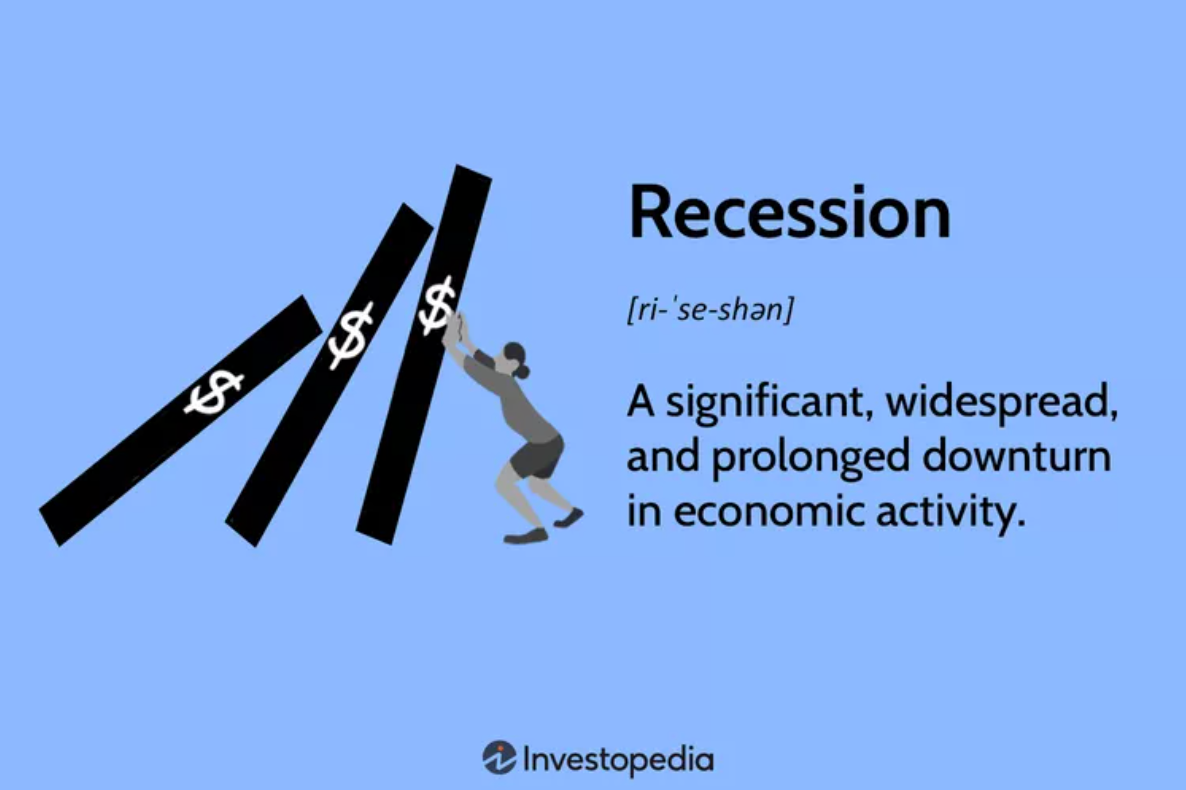
Here is what investors (like yourself) should do during market downturns: Well, actually, it’s a bit more complicated than that. It’s not as simple as whether investors should invest during a market downturn or not. A downturn can be an opportunity to invest, but only if you have a long time horizon, stable finances, and sufficient liquidity. You don’t want to go investing money during a downturn that you need for your kid’s college fund when he or she is about to finish high school. You need that money fairly immediately so you probably shouldn’t be thinking about investing it. After all, in some situations it is more reasonable not to increase risk and to focus on urgent financial priorities (like the college fund I mentioned or your emergency fund).
When continuing to invest makes sense
Continuing to invest is logical when you have a long time horizon, you don’t need the money in the near term, you have an emergency fund already, and you are contributing regularly to your long-term goals. Investing during a downturn is not a guaranteed advantage, even though you may get some stocks at “discounted” prices from what they were before the downturn. Stocks can be purchased at lower prices, but you shouldn’t expect a quick rebound and you should be prepared for market volatility.
When it may be smarter to pause new investing
As mentioned earlier, it may be better to pause investing if you have major expenses ahead, your income is unstable, you have high-interest debt that you haven’t paid down, or your investment horizon is short. In this case you may want to strengthen your financial stability rather than buy more assets. You want to avoid increasing risk at the wrong time and investing money that you need to have available soon.
How Should You Review Your Saving Strategy?
During a market downturn it’s important to do things like practicing good savings strategies. These include making automatic savings contributions, increasing your savings rate when possible, maintaining your employer match, reducing fees and expenses, and checking whether your current savings strategy aligns with your life conditions. If your portfolio structure is causing you intense, mind-altering stress during the downturn, you may need to adjust your savings and risk strategy.
Useful Tips for Navigating Market Volatility
Here are some awesome tips for navigating market volatility:
Stay Calm
It’s important to stay calm and collected to avoid making impulsive decisions that can cause you to lose money. The market can be hectic at times, so it’s best to try to remain calm and collected when investing.
Remain focused on your long-term plan
As mentioned earlier, market dips are temporary, so don’t deviate from your long-term plan because of a short-term headache. Don’t disrupt your long-term plan and goals because of a problem occurring in the short-term.
Try Dollar-Cost Averaging
Don’t try to time the market. Instead, put a little bit of money into the market, regardless of market swings, on a regular basis. This strategy can help you avoid losses from trying to guess when the market will go up or down.
Build a diversified portfolio
Diversifying your portfolio helps because if you are diversified enough, when one asset class dips in value, another one could be increasing. It helps avoid the scenario of putting all of your money in one thing in case that one thing turns out to fail and you lose all of your hard-earned money. Rick put all of his money in one asset. Sarah diversified. Rick lost everything when his one asset crashed. Don’t be like Rick. Be like Sarah.
Don’t try to call the bottom
Trying to predict the perfect entry and exit points in the market can cause you to miss the best times in the market when the best gains can be made. Instead, it’s better to remain in the market. You can’t miss out on the best days in the market if you are always in the market.
Keep your emergency cash separate
Funds for daily life, emergencies, and short-term expenses should not be kept and invested with your investment money. You may need this money soon and should take less risk with it than you might with your money invested in riskier assets like stocks.
Continue regular contributions if your finances allow
Making consistent, automatic contributions can help you avoid trying to time the market. During downturns, many investors stop investing out of fear, but consistency can be more effective over the long-term rather than acting based on emotions.
Rebalance instead of rewriting your whole plan
Instead of rewriting your entire investment plan, during a downturn it’s best to check whether the portfolio has drifted too far from its target allocation. Focus on small adjustments rather than drastic, extreme shifts.
Reduce pressure on your budget before selling investments
Solutions for saving money during economic downturns often lie outside of your portfolio. Try things like reviewing your budget, cutting non-essential expenses, delaying large purchases, and reducing pressure from high-cost debt. If you have less financial stress in your everyday life, you will be less likely to sell your investments at a bad time.
Conclusion: What Should Investors Focus on During a Market Downturn?
During a market downturn, don’t focus on trying to predict what the market will do. Instead, try to focus on the process you will follow in order to not stress out and make rash decisions that could cause you to lose a lot of money. Contribute to your investments consistently and avoid emotional decisions. Remember: following your solid plan during a difficult market is better than creating an entirely new plan.
Disclaimer: The content provided in this article is for educational and informational purposes only and should not be considered financial or investment advice. Interacting with blockchain, crypto assets, and Web3 applications involves risks, including the potential loss of funds. Venga encourages readers to conduct thorough research and understand the risks before engaging with any crypto assets or blockchain technologies. For more details, please refer to our terms of service.