

Table of Contents
For a long time, most people only invested in cash, stocks and bonds. Even now, a lot of portfolios are built around these three pillars. Recently, investors have been moving away from the public markets as they are searching for new opportunities to grow wealth and get new streams of income. This is where alternative investments come in.
While they may sound complex, they are very simple. Basically they are anything outside of cash, stocks and bonds. This can be anything from physical assets like real estate and infrastructure to things like private market strategies.
They matter because they help you expand your investment portfolio while also giving you access to extra return sources. In this guide, we will walk through the most popular alternative investments available and the most common risks and benefits.
What Are Alternative Investments?
Alternative investments is everything that does not fall under the stocks, cash and bonds umbrella. Some alternative investments are private credit, private equity, real estate, collectibles etc.

They are called alternatives because they are different from traditional investments. Almost everyone is able to invest in traditional investments since they are liquid, meaning easy to buy and sell. Someone with a basic knowledge of finance and a smart phone can buy a piece of a tech company in seconds.
Alternative investments are very different and a lot more complicated. For instance, they are illiquid which means you typically can’t sell them when you want to. Remember that some of these alternative assets are physical things that you can touch. Examples of these are precious metals, collectibles like art or real estate. These take a lot of time to sell.
What Types of Alternative Investments Are Most Common?
There are a lot of alternative investment options out there, but it’s easier to understand if you categorize them. Generally, there are three main categories. The first is private markets and the second deals with real assets while the third one focuses on specialized trading strategies. Here’s a further breakdown.
All of these categories serve a different purpose in your investment portfolio. Some are designed for aggressive growth while some for steady income. But, they are all important.
Private Market Investments
Private market investments are investments in assets and companies that are not available for public trading. Some of these investments are in the forms of private equity and private credit. These are also different as they give you new ways to see returns.

Private equity is if you put money directly into private companies or buy publicly traded companies and sell them privately. The goal here is to upgrade the business and make money when the company is sold in the future.
On the other hand, private credit is all about making loans outside of traditional banking systems. Usually, you as an investor will make these loans to businesses. Making these types of loans can create a stream of income for you through the interest payments. This is really attractive if you want higher yields.
However, remember that these investments are not like public stocks. They need to be held for years before you can make an exit. Plus, there is a capital lock up which means you cannot just sell your shares back to the private equity fund manager whenever you want. That is why this sector is mostly dominated by institutional investors and wealthy people.
Real Assets and Other Alternatives
Real asset investments are investments in things that you can physically touch that have value. For example, real estate is the oldest and the biggest alternative asset class on the planet.

Real estate can give you both rental income plus the proceeds if you sell the property. Not to mention the tax benefits as you deduct mortgage interest from your taxable income. Therefore, real estate is a favorite for creating wealth for your family that can last long after them.
Infrastructure investments are another type of real assets which bring you consistent income. Think of bridges, roads and wind farms. This is something everyone relies on. However, keep in mind these projects are expensive but once set up they bring stable and consistent cash flow.
All of these investments give you a lot more variety in your investment portfolio while helping keep the value in them by protecting against inflation.
Why Do Alternative Investments Matter in a Portfolio?
The answer to why alternative investments matter is in structural optimization. Think about it. If you have a bunch of public tech stocks in your investment portfolio they may all crash when panic sets in the market. On the other hand, alternative investments do their own thing.
A piece of art or toll roads do not care about a bad earnings report on Wall Street. This lower correlation with traditional markets makes investing in alternative assets a much more stable experience.
Also, alternatives let you profit from business restructures or physical developments in projects. Meanwhile, traditional investments only rely on passive ownership or generic growth. Basically, anything that goes under the “alternative” label is a great income generator. Private credit and infrastructure often pay better yields too.
Remember that alternative investments are not a fast way to get rich or safer than traditional investments. But, putting them in with your other investments keeps your risk low and builds a much better financial base to your overall portfolio.
What Are the Main Risks of Alternative Investments?
All investment opportunities have pros and cons. Alternative investments are no different. Before you decide to go for it, know about the cons.
Low Liquidity
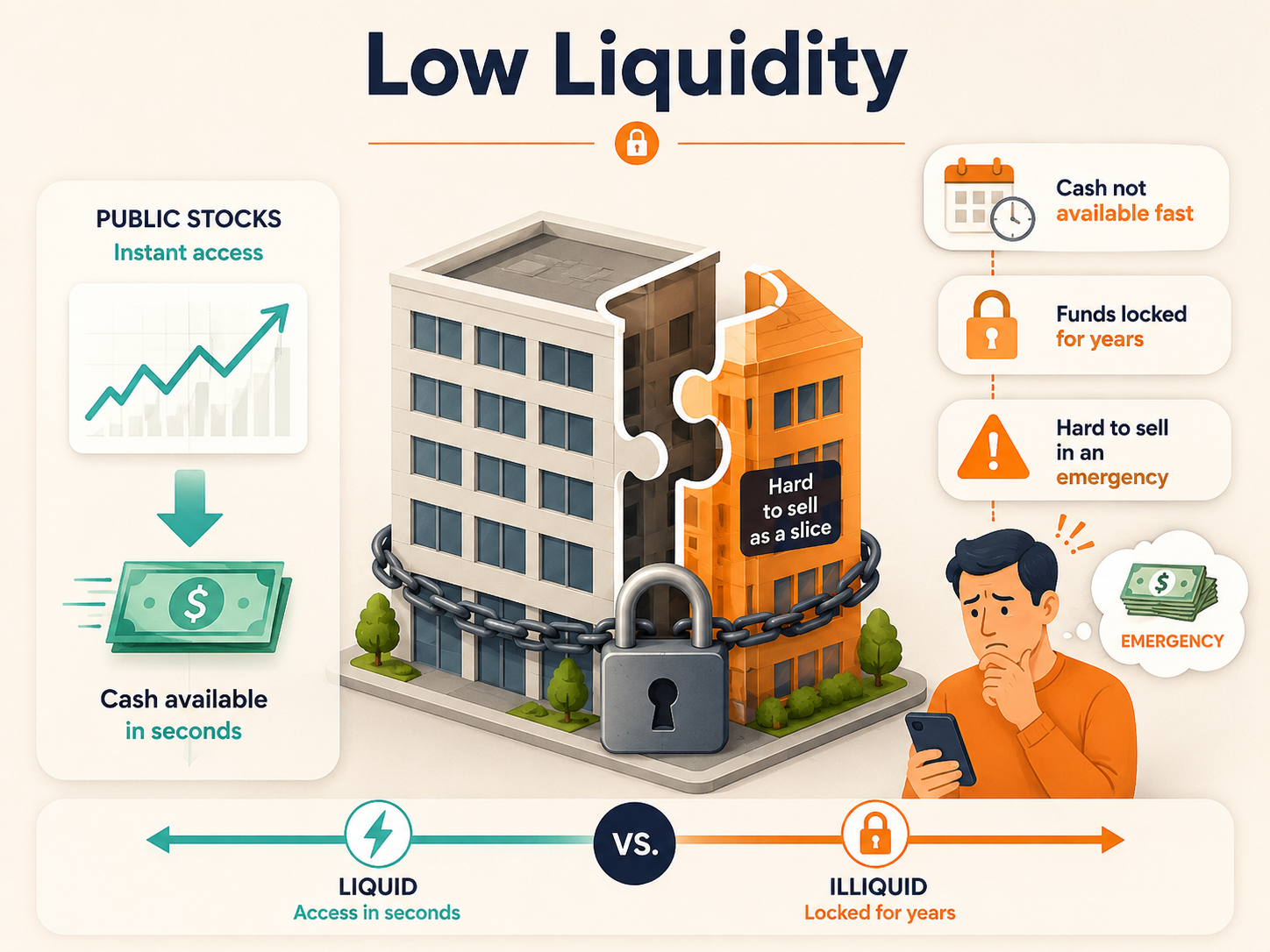
The alternative asset class's biggest hurdle is low liquidity. With public stocks, you can cash back however much you want instantly. With alternatives, your money is probably locked away for years.
In other words, you can not easily sell a piece of an office building at a time if an emergency happens. Remember that these investments are not flexible if you need cash quickly.
Higher Fees
Alternative investments usually have higher fees.
For example, you now own a real estate property like an apartment. But, you will need to make sure everything is clean and working in it. Therefore, you need to account for operational costs as well as management fees. Your returns can drop as time passes and these fees add up.
Meanwhile, hedge funds and private equity funds charge two fees. These are the two and twenty fees (2% in management fee and 20% in performance fee).
You must remember these higher fees if you are interested in alternative investments.
Complexity and Transparency Issues
Some alternative investments are confusing or hard to analyze.
For instance, private assets might not show daily pricing changes. This daily real-time price feed could help you track precise asset valuations. Plus, financial reporting for these alternative assets can be less transparent and more blurry when compared to public markets.
In other words, you need to do your homework. You need to look deeper into how the asset could give you returns and what factors may impact its performance.
Keep in mind that if an alternative investment is way too complicated and no one can explain it clearly, it is most likely a terrible investment.
Who Should Consider Alternative Investments?
Alternatives are great tools but do not look at them as a universal solution. It all depends on your situation.
Long-Term Investors
Alternative investments are a very good choice for long-term investors. You should have patience for these assets because they are not very liquid. Someone who needs their cash sooner would probably go for something a little more liquid.
Investors Looking for Broader Diversification
Investing in alternative assets is also great if you are just looking to bring more balance to your portfolio. Remember that these assets may not always perform better than traditional ones but that is okay.
Wealthier Investors
In the past, lots of alternative options needed you to invest a lot of money to get started. Things are getting better but there are still some private markets that are only focused on accredited or institutional investors.
No matter the investor, remember that these alternative investments should not be the main star of your portfolio. They are a good complimentary dish to your main meal which are traditional investments.
A typical investing approach might see investors put 10% to 20% of their total wealth into alternatives, with the rest remaining in traditional markets.
A lot of factors like financial goals and time horizon are key when deciding to invest in these alternative assets. Just think about how long of a wait you can afford for your money and your bigger financial goals. If you'll need your cash next year, just stay away from this area.
Conclusion: Why Should Investors Pay Attention to Alternative Investments?
Alternative investments are important since they include options other than the usual stocks and bonds. These investments give you entry to private markets and access to real assets. This potential for diversification explains why alternative investments are so popular.
However, remember that these types of investments do have downsides. They have less liquidity while also having bigger fees. Not to mention the complexity that some of them may bring.
The trick is recognizing that just because they are different doesn't mean they are better or more profitable than other options. Treat them as a tool for complimenting your investment portfolio. They could even give you generational wealth in the long run.
When it comes down to it, our opinion is that a balanced investment portfolio is usually the best way to go. Look at the alternative assets space with a bit of curiosity and a lot of caution. Are you willing to wait a couple of years to get your cash back? If yes, try figuring out how alternative assets could fit in your investment portfolio.
Disclaimer: The content provided in this article is for educational and informational purposes only and should not be considered financial or investment advice. Interacting with blockchain, crypto assets, and Web3 applications involves risks, including the potential loss of funds. Venga encourages readers to conduct thorough research and understand the risks before engaging with any crypto assets or blockchain technologies. For more details, please refer to our terms of service.