
Table of Contents
Stablecoins first gained popularity for the stability they brought to the volatile crypto market. A stablecoin like USDT is pegged to the US Dollar (USD). So, crypto traders kept their funds safe in USDT while the likes of Bitcoin, Ethereum and Solana experienced huge price swings.
Soon, people realized how powerful a tool stablecoins were for payments. Stablecoins were competing with countries’ currencies for global payments. And they were winning because they offered instant transactions with low fees as compared to the slow, expensive systems banks offered.
In 2022, stablecoins completed over $7.4 trillion in cross-border transactions. Governments could no longer stand on the sidelines. Because of how rapidly stablecoins were growing in adoption, they had to step in to create frameworks to protect their citizens.
And with some unfortunate events of stablecoin collapses, governments had to tighten the screws on stablecoin regulation. In 2022, Japan introduced the first formal stablecoin regulation. Singapore, the United States, the European Union, Hong Kong, and a growing list of countries joined shortly after.
While every country approached its regulations of stablecoins differently, they all sought to control who issues the stablecoin token, what it is backed by, whether it can be redeemed, who controls the reserves and what happens in a stress situation. In all, they do this to protect you, the consumer.
What Are Regulators Trying to Control Stablecoins?
Governments moved to regulate stablecoins not because of how big Tether (UST) and Circle (USDC) have gotten. While the tokens are part of what regulators look out for, the regulations are bigger than them. Regulators look at the entire stablecoin model when drafting their regulations.
Let’s take Tether and USDT for example. Tether receives real cash, holds different assets in their reserve, invests the assets received in treasury bills, and also issues USDT tokens which are claims on said assets. Tether made a revenue of $5.2 billion in 2025.
If you think that sounds a lot like banking. Or money transmission. Or investment fund management. You’re not wrong. Tether may be doing all three depending on how you look at it.
As of June 2026, the stablecoin market has a valuation of $317+ billion, per CoinMarketCap. It’s growing fast and difficult to manage as it doesn’t belong to any category regulators are familiar with. When you put all these factors together, it’s easy to see why regulators are trying hard to control the stablecoins.
But across most jurisdictions, regulators are focused on a handful of core goals. They want to protect users. They want to ensure reserves are real and high-quality. They want users to have a clear right to redeem their tokens. They wish issuers to be open about their holdings.
Regulators do not wish to have money launderers using the financial system or other forms of financial crime. For large stablecoins, they want to ensure that a failure won’t bring down segments of the financial system with it. The fundamental intent is not just a marketing promise, but to render the promise of stability verifiable.
Why Does Stablecoin Regulation Differ by Country?
More than before, we’re seeing this one over and over: a stablecoin can be used in 5 countries in 5 different ways. It’s not a coincidence. The focus on stablecoins varies from country to country. There are some governments that focus primarily on payments infrastructure.
Other people do place their money where their mouth is. Others look at stablecoins from the perspective of banking regulations and seek more control over the monetary supply of the issuer.
A stablecoin issuer in a given country might be subject to a licensing requirement in that country, a restriction in another country, and no rules at all in a third country.
It is the same token. The regulatory treatment is not the same. That’s why there is no single stablecoin standard globally yet, despite the many in the stablecoin industry who would love one.
What Do Most Stablecoin Rules Have in Common?
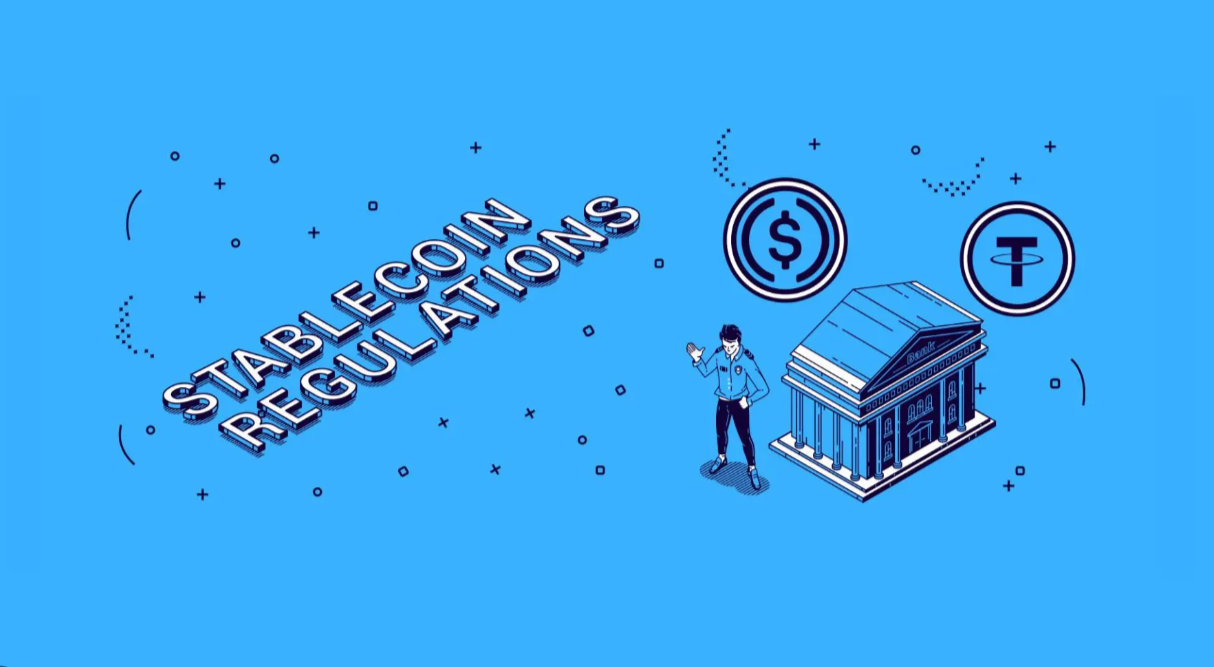
The way the US and Japan regulate stablecoins is quite different. But if you look closely, you’ll find some elements appearing in both. You’ll also find these key elements in many other stablecoin regulations.
With these common threads in mind, you can grasp most stablecoin regulation worldwide. They are:
Issuer authorization
Nearly all jurisdictions which have advanced toward stablecoin regulation have some requirement for an issuer to be authorized. This can be a license, a requirement for registration or other conditions imposed by the issuer that must be fulfilled before it can provide tokens to the public.
The justification is simple. The issuance of a token like USDT that serves as money (or something close) should not be completely anonymous and uncontrolled. Regulators wish to understand who is behind the token, the capital they have, and if something goes wrong, can they be held responsible?
Reserve backing
If a stablecoin is pegged to the dollar, regulators should find out what backs it up. Circle can’t just say that its $75 billion USDC stablecoin is backed by cash and bonds and the government believes. Regulators will require proof that the $75 billion backing USDC actually exists in good quality and liquid assets.
This is more significant than a lot of users realize. The ability of a stablecoin to effectively “peg” in times of stress depends on the quality and liquidity of the reserves. A reserve with only illiquid or riskier assets can withstand normal use and break down during a high volume redemption period.
Redemption rights
A $1-stablecoin sounds good in secondary markets. As a user, however, what matters is whether we can convert that token into real dollars directly from the issuer or not, via the exchange. The regulators in most developed markets now demand that users have a direct right to redeem.
They are also looking at the time it takes to redeem and any redemption fees that may be applied and if redemption is still available in the event of a market stress event. These details are extremely significant when the going gets tough.
Transparency and audits
Circle and Tether can issue reports of their multi-billion-dollar reserves. However, regulators have to be assured that the reserves actually exist and that they are what the issuer claims. Reporting, attestations and audits are part of this.
There are regulatory regimes out there that mandate reserve reports be made public on a regular basis from stablecoin issuers. Some regulators require these audits to be done by a third-party accounting firm to count. While this transparency doesn’t make a stablecoin fail-proof, it allows regulators to track the health of an issuer.
How Are Different Types of Stablecoins Regulated?
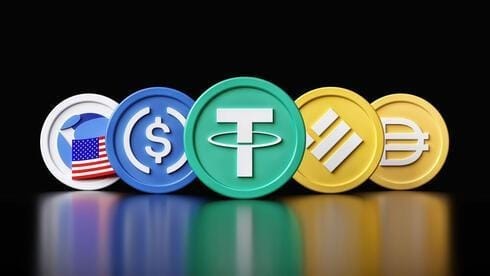
We’ve heard a lot about USDT and USDC, they contribute more than 82% of the total stablecoin market valuation. However, they represent only one type of stablecoin, the kind that are backed by fiat currencies.
Some stablecoins are backed by other kinds of assets and this affects how regulators decide to control them. These are the main kinds of stablecoins and how they are primarily regulated.
Fiat-backed stablecoins
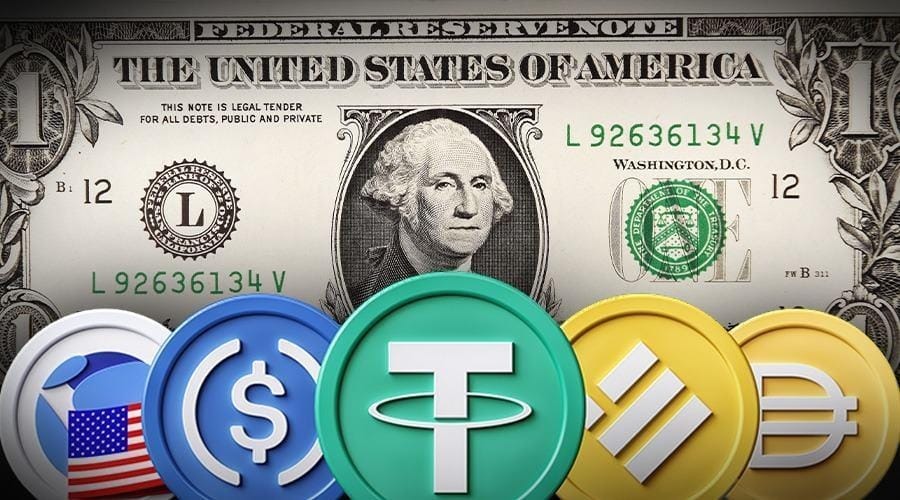
These are the most popular types of stablecoin. Tether’s USDT, Circle’s USDT, PayPal USD (PYUSD) and others. These type of stablecoins are backed by a single fiat currency (e.g dollar and Euro).
This is the simplest model for regulators as well. The majority of licensing requirements, reserves, redemption procedures and disclosure requirements are geared towards fiat-backed stablecoins.
Asset-referenced or basket-backed stablecoins
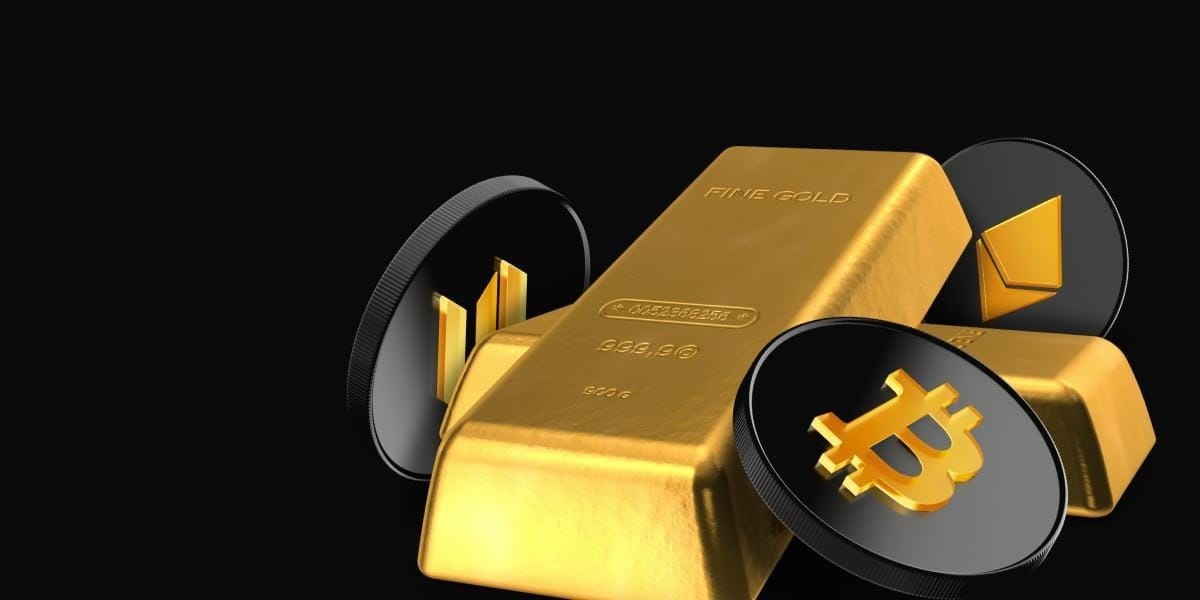
Some stablecoins are tied to a basket of assets or reference an asset. PAX Gold (PAXG) and Tether Gold (XAUT) are popular examples referencing the gold asset. They get their value by being backed by physical gold bars. The baskets can be a combination of several different currencies, commodities or reserves.
These are more difficult to control as the assets backing the stablecoin token are more complicated. How is the valuation done? What is the liquidity of the assets held? What is the process of reserve management for various types of assets?
Answering these questions is what makes this type of stablecoin more difficult to regulate. The EU’s MiCA framework has actually especially developed a classification referred to as asset-referenced tokens to handle this kind.
Algorithmic stablecoins

Algorithmic stablecoins attempt to keep their peg by using market dynamics and software algorithms. If the price is above the peg, then the algorithm increases supply. If it decreases, the algorithm drops it.
These are the ones regulators are most wary of. The stability mechanism is more indirect, less measurable and relies on market participants’ ongoing confidence in the mechanism.
However, when that trust is lost, the peg may fall very rapidly. Some jurisdictions have been considering outright bans or mandatory additional disclosure for algorithmic stablecoins in particular.
What Is the Global Regulatory Picture Outside the US?
While the US dominates the news on stablecoin regulation, particularly the GENIUS Act, other countries are also making steady progress in this aspect. They may go about it differently from the US, but they also have clear stablecoin frameworks.
European Union: MiCA and stablecoin categories
The European Union has adopted one of the most comprehensive measures with the Markets in Crypto-Assets Regulation (MiCA). Generally, stablecoins under MiCA can be classified into two types: e-money tokens and asset-referenced tokens.
MiCA sets out rules on issuers, reserve management, audits, governance principles and regulatory oversight for stablecoins in the EU market. MiCA does not seek to establish new rules in each member state but rather to achieve more uniform rules across the region.
Singapore, Hong Kong, and the UK
These three jurisdictions are all developing their own systems for stablecoin regulations. They all control how stablecoins operate in their regions, but they emphasize different aspects.
The Monetary Authority of Singapore (MAS) has targeted single-currency stablecoins in its regulatory approach in Singapore. The rules focus on reserve and capital adequacy and the right to redeem at par within five business days.
Amidst the growing acceptance of stablecoins, Hong Kong’s government has proposed a licensing mandate for issuers of fiat-referenced stablecoins to Hong Kong users. The program is still in the process of being fleshed out but there’s one thing that’s clear: regulatory approval is required for the issuance of these tokens.
Both the Financial Conduct Authority and the Bank of England have a role in developing a UK framework for stablecoins as “potential payment instruments. The process is still in the early stages, but the focus is on maintaining stablecoins for payments to standards similar to those of current regulated payment systems.
How Does Regulation Change the Risk for Users?
Being regulated doesn’t make a stablecoin risk-free. Just as with all things in the crypto and finance world, there are certainly risks. However, there are a lot of risks that are lessened by regulations. What good regulation can do is to help solve some of the biggest concerns of unregulated stablecoin markets.
Regulations remove the risks of unclear cash reserves, unreliable redemption, no issuer accountability, and no baseline disclosures. When those gaps are closed, users are in a better position. But there are some risks that regulators can’t control.
A stablecoin can still depeg under extreme market stress. The blockchain is also another potential source of vulnerabilities. As with all other companies, the stablecoin issuer also has its own risks. The firm that owns the reserves can have financial issues of its own.
Some stablecoins have the ability to freeze or blacklist addresses whenever they believe they are used for unlawful transactions. Sanctions restrictions or legal limitations may be applicable to cross-border use. But regulated does not necessarily mean guaranteed. It implies there are regulations and people who will adhere to them.
What Should You Check Before Using a Stablecoin?
There are some practical questions that you should ask before you put any money in a stablecoin:
- Who is the issuer? It’s a known, established company or something anonymous? Search for a name that you can check.
- Where does it regulated? Does the issuer have a license in a jurisdiction that is subject to real regulation and oversight, or is the issuer in a regulatory grey area?
- What is the token backed by? Are they cash and government securities? Or something more complicated or obscure?
- Do you have redemption rights? Are you able to redeem directly with the issuer? In what circumstances and when?
- Who holds the assets? Are the reserves maintained at regulated custodians or self-custodied? Regulated custodians are always better.
- Reserve reports published? Are there regular, third-party verified attestations of the contents of the reserve issued by the issuer? An issuer with monthly audits is a good sign.
- What blockchain is it on? Certain stablecoins are available on several blockchains. Every network has a different risk level.
- Are there any restrictions in your country? Even if a stablecoin is 100% legal in its country of origin, it may not be accessible or available in your country.
None of this is due diligence, legally speaking. But they’re important questions to ask. If you answer these questions, you’ll get a trustworthy stablecoin to use with minimal risks.
Conclusion: Why Stablecoin Regulation Matters
With trillions in annual transactions and a market valuation of over $317 billion, governments can no longer overlook stablecoins. And, with more people using them to move money across borders, settle trades, earn yield and even hold value, the need for regulation keeps rising.
These regulators matter because real money and a lot of users are involved. When a stablecoin breaks its peg, users lose money. The bigger the stablecoin, the stronger the effect will be. Regulations are important to minimize these risks. While the rules may differ based on the country, every regulator seeks to protect you, the user.
Disclaimer: The content provided in this article is for educational and informational purposes only and should not be considered financial or investment advice. Interacting with blockchain, crypto assets, and Web3 applications involves risks, including the potential loss of funds. Venga encourages readers to conduct thorough research and understand the risks before engaging with any crypto assets or blockchain technologies. For more details, please refer to our terms of service.