
Table of Contents
If you’re new to crypto, you’ve probably noticed something confusing almost immediately: people constantly use the words “coin” and “token” like they mean the exact same thing.
One minute someone calls Bitcoin a coin. Makes sense. The next minute another person calls a random meme asset a coin too, even though technically it might be a token. Welcome to crypto vocabulary chaos.
The confusion rises because both crypto coins and tokens exist in the same blockchain environment. They can sit in the same wallet, trade on the same exchange and appear the same in some apps.
But under the hood? They’re built differently. And once you understand that one core difference, the entire topic suddenly becomes way easier.
What Is a Coin in Crypto?
A coin is the name given to a cryptocurrency that operates on its own blockchain. That is the general idea.
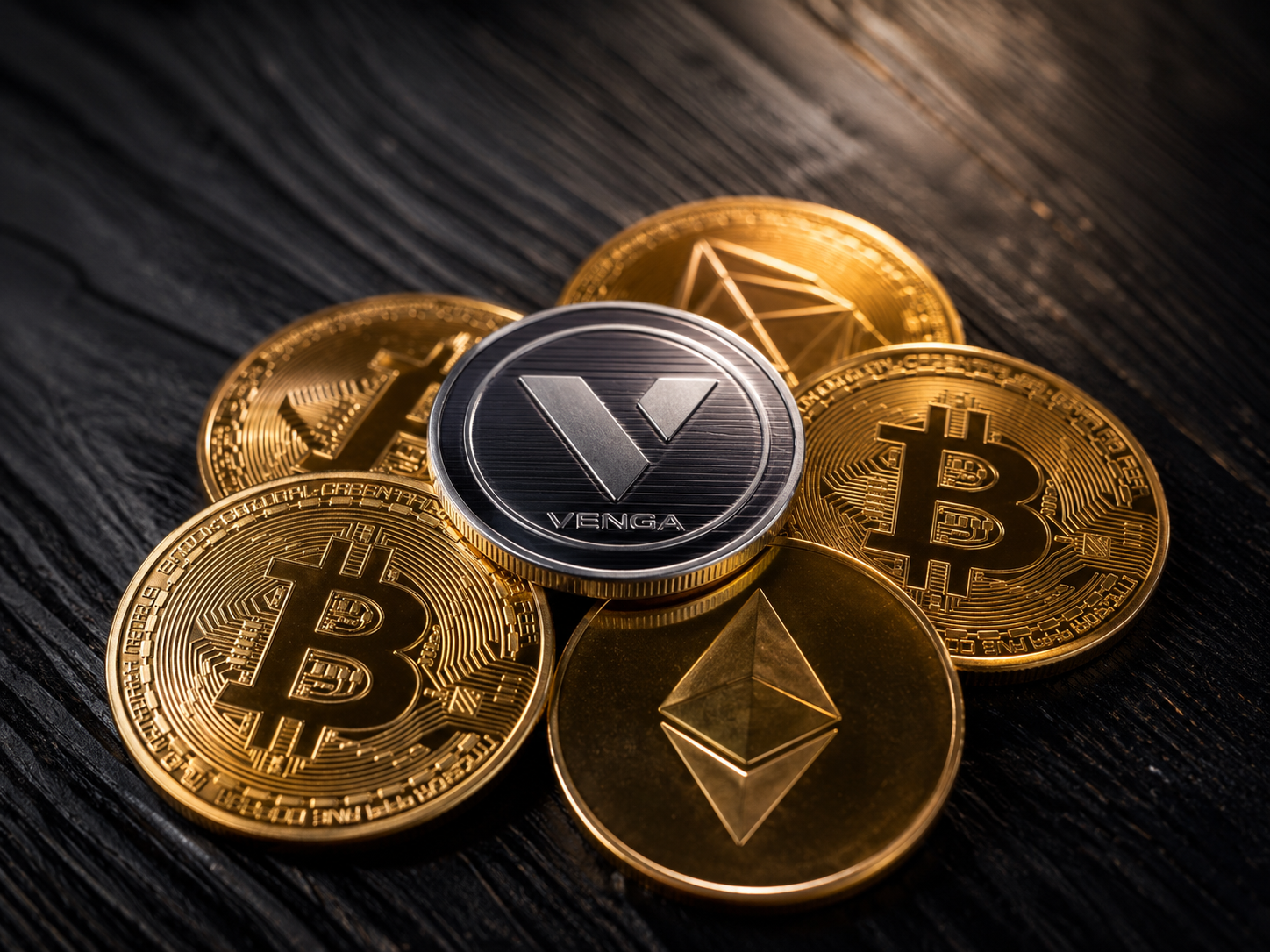
An example would be BTC running on the Bitcoin blockchain. This network runs independently. Every blockchain system has the core components of its own infrastructure, miners/validators, transaction systems and native cryptocurrency.
In simpler terms the blockchain system is like a country. Meanwhile, a coin is like the currency that a country uses. They are considered native assets. This native part is important.
They are often used to pay for transaction fees, reward validators and secure the network. They also act as a medium for moving value across the system. Without the coin, the network would very likely not function at all.
What Is a Token in Crypto?
A token does not have its own blockchain unlike a coin. Instead, tokens are built on pre-existing blockchains. It uses security, smart contract functionality and infrastructure of the host chain to operate.
Some of the largest crypto projects in the world today are tokens. Shiba Inu (SHIB) and Chainlink (LINK) both use Ethereum's blockchain. Plus, non fungible tokens are also part of the “token family”.
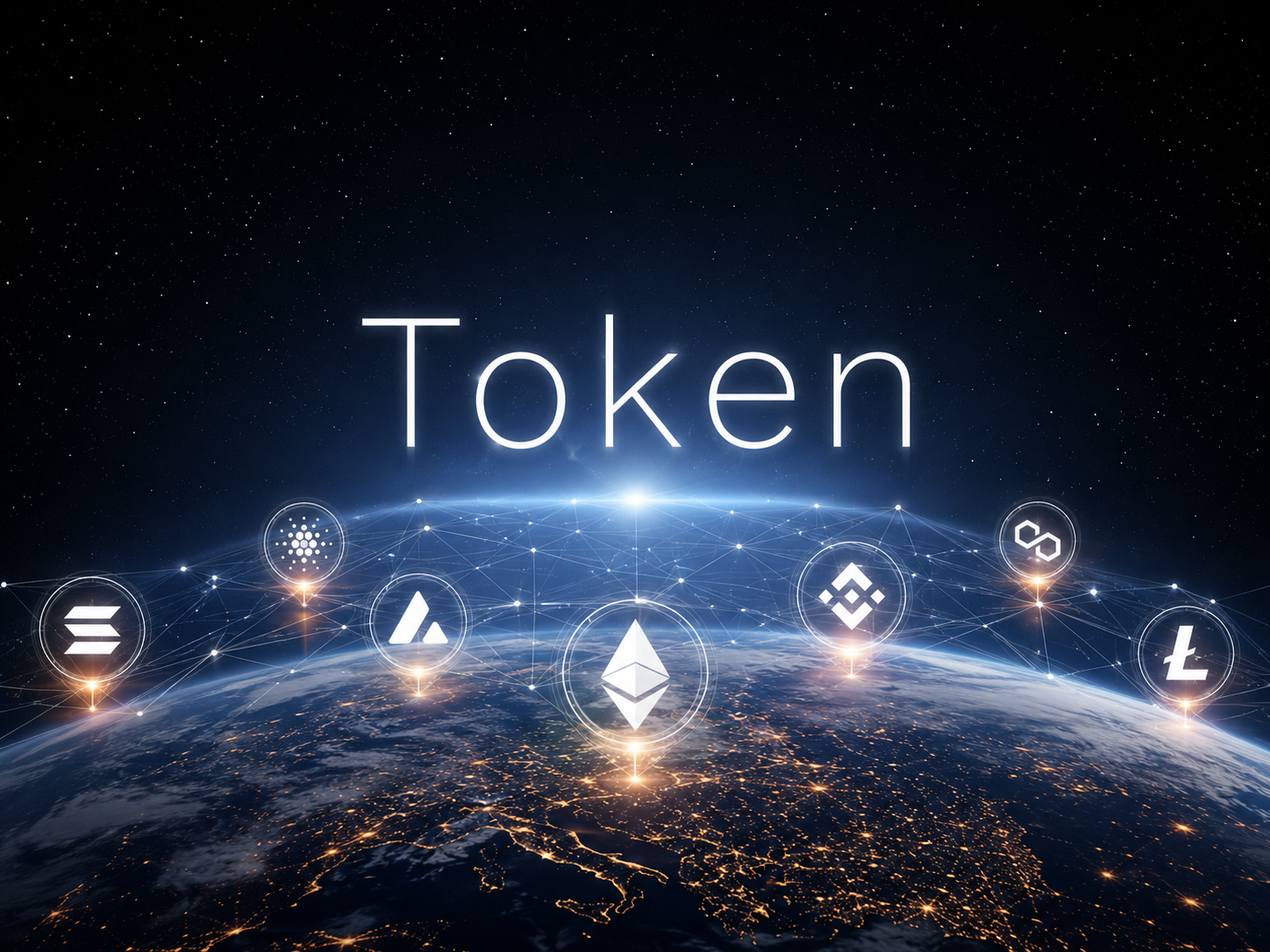
Tokens that are built on a different chain are still just 'as real' and 'valuable' as coins. It just means the token builders decided to skip the stress and pain of developing an entire blockchain on their own.
What Is the Simplest Way to Tell a Coin From a Token?
Here’s a rule you can easily keep in your brain: If an asset has a blockchain, it’s a coin. If an asset does not have its own blockchain and is on someone else’s blockchain, it’s a token. That helps with a lot of the confusion new users have. That’s all it is. Plus, it is simple enough.
And let’s be honest, crypto is a lot of confusing information. Finding something this easy to remember is a relief.
How Do Coins and Tokens Actually Differ in Practice?
Definitions are helpful, but the more practical differences are what matter. Let’s break them down in a way that actually sticks.
Blockchain Structure
The main difference between a coin and a token when it comes to blockchain structure is independence. A coin belongs to its own blockchain. A token is issued on top of an existing blockchain.
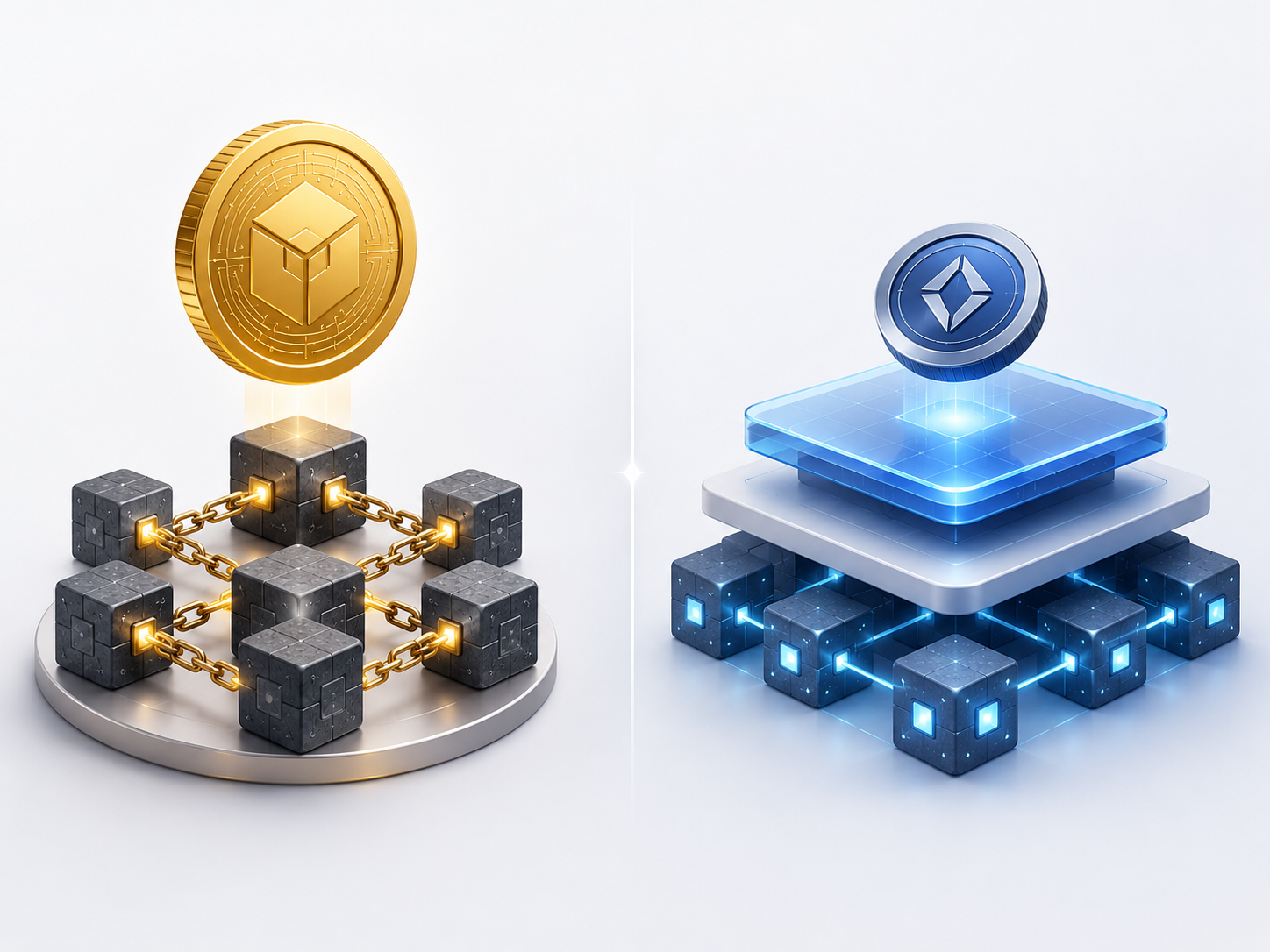
Solana has its own network, so the SOL cryptocurrency is a coin. But a gaming project launched on Solana would usually issue a token instead. Coins are native to the network. Meanwhile, tokens exist within the network. That single difference shapes how they’re created, used and maintained.
Main Purpose
Coins are often tied directly to blockchain operations. They can be used for transaction fees, security and validator rewards.
As an example, ETH helps fuel the Ethereum blockchain itself. It is used as the main currency which pays for transaction fees or “gas”. Plus, it also serves as a reward for validators which improves the network’s security.
Tokens usually have more specialized roles. Some provide access to services or reward users in certain apps. Others power gaming ecosystems. Some represent governance rights. Others track stable value or even real-world assets.
All in all, coins generally are meant for supporting the blockchain itself. In most cases, tokens are used to support apps that are created on that blockchain.
How They Are Created
Launching a coin is technically difficult. Why? Because creating a coin usually means building an entirely new blockchain infrastructure. That involves network design, consensus mechanisms, security architecture and much more.
Creating a token is often much easier. Developers can use existing blockchain infrastructure and established standards like ERC-20 on Ethereum or SPL tokens on Solana. That’s one reason tokens are everywhere in crypto.
Building a token can sometimes take hours or days. Building a new blockchain can take months or years. This is a big difference.
Why Do People Get Confused Between Coins and Tokens?
Honestly? Because from the outside, they often look exactly the same. Both can appear in the same wallet and both get called “crypto.” If you open a portfolio tracker, you probably won’t immediately notice which assets are coins and which are tokens.
The confusion also comes from casual language. In crypto media and online conversations, people often use the word “coin” as a generic term for everything. Someone might say “top AI coins” even when half the projects mentioned are technically tokens.
It’s become part of crypto slang. So if you’ve been confused before, don’t worry. Pretty much everyone goes through this stage.
What Types of Tokens Should Beginners Know?
This category is massive, but you only need to understand a few major crypto token groups if you are a beginner.
Utility Tokens
Utility tokens help you access different features and services within a platform. For instance, you can get discounted fees on a certain platform. You can typically grab a hold of them during initial coin offerings. Think of them as digital access keys. They’re designed to have practical use within a project.
Governance Tokens
Governance tokens give communities a say in how the rules within a network are implemented, how the network’s money is spent and how the network is designed. So owning these tokens lets you vote on what’s going on in the network. Highly decentralized finance projects are always using governance tokens.
Stablecoins and Asset-Linked Tokens
Some tokens are designed to maintain stable value. These are called stablecoins. They are pegged to fiat currencies like USD or EUR.
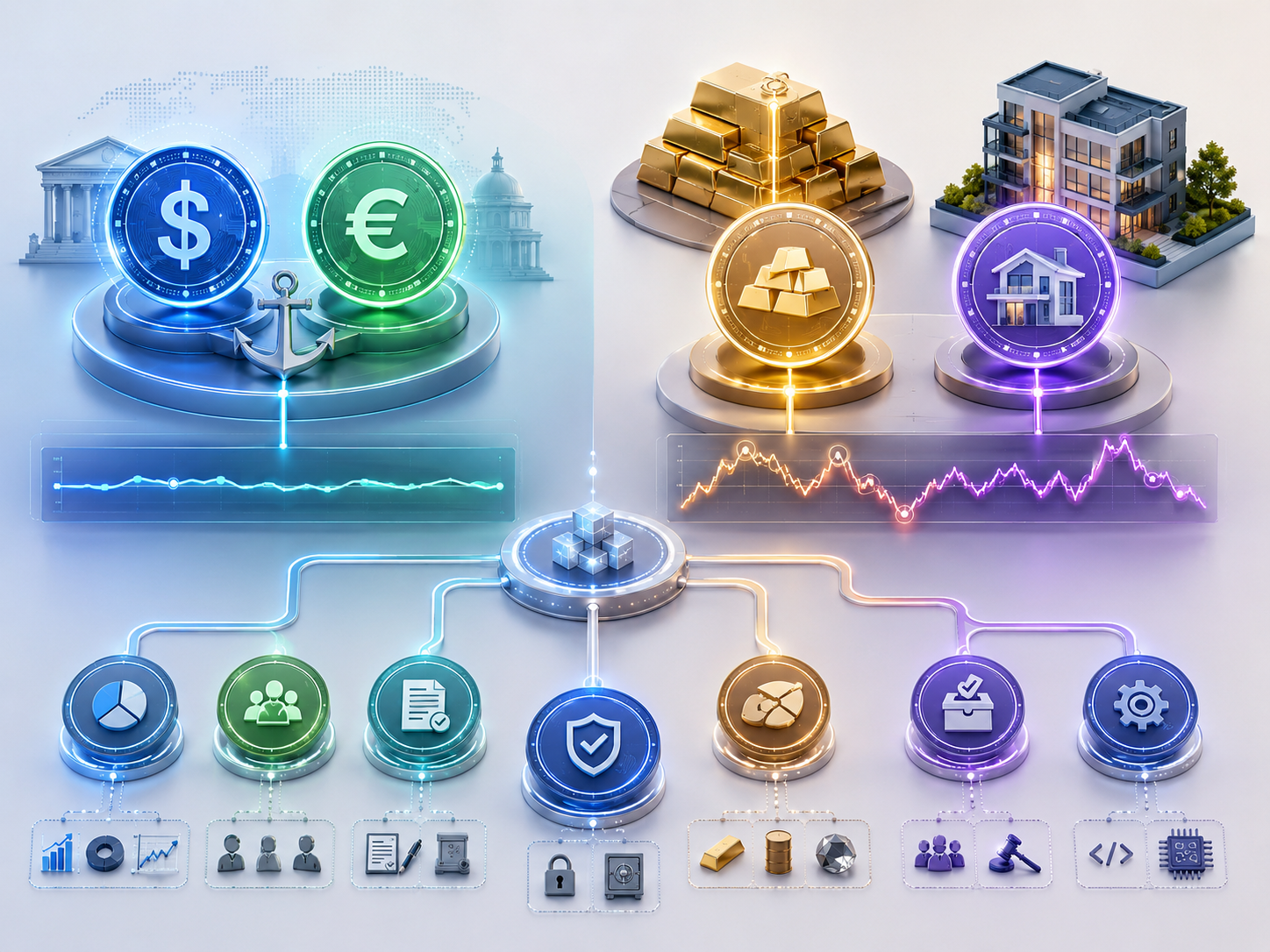
Others may represent ownership of real-world assets like real-estate or physical gold. Some of these tokens may see fluctuations in value which is a difference from stablecoins.
This really shows how wide the token category really is. Tokens can represent both governance and ownership. They are incredibly flexible.
Can a Token Become More Important Than a Coin?
A common beginner mistake is thinking coins are better or more valuable than tokens just because they own the underlying blockchain. That is totally wrong.
Think about it, a token can become central to a huge ecosystem with millions of users.
Meanwhile, some independent blockchain coins remain hidden in obscurity. Being in a certain technical category does not mean it will be a success. What is really important is if it actually solves problems and has an active user base.
Remember that infrastructure matters in crypto. But adoption matters too. A lot.
Coins vs Tokens: Which One Matters More to Investors and Users?
For investors and users, the difference between coins and tokens matters because it changes what you should evaluate. If you are looking at a coin, you are looking at them as the fundamental infrastructure of a network. Plus, investors may be happy to learn that these coins often see less price volatility.
If you are looking at a token, there’s an extra layer to consider. You also need to evaluate the blockchain it depends on. For example, if a token runs on Ethereum, the health of Ethereum’s ecosystem can affect that token too.
You also want to understand the token’s purpose. Does it actually do something useful inside the project? Plus, think about if there is demand for it. You do not want to get a token that no other user wants.
That practical context matters more than simply labeling something a coin or token.
What’s the One Rule to Remember So You Never Get Confused Again?
Here it is one more time because repetition helps:
A coin has its own blockchain. A token is built on an existing blockchain. That single rule will help you correctly identify most crypto assets you encounter.
Just remember the infrastructure relationship. Own blockchain? Coin. Built on another blockchain? Token. Done.
Crypto suddenly feels way less intimidating when you simplify it like this.
Conclusion: Coin or Token - What Should Beginners Focus On First?
If you are interested in investing in these assets, don’t sweat trying to find the “best” category. Both coins and tokens are equally important for building the decentralized industry.
What you should be focusing on is figuring out what the asset actually does. Keep in mind that they both do different jobs. Hopefully, our guide helped you make that differentiation.
Disclaimer: The content provided in this article is for educational and informational purposes only and should not be considered financial or investment advice. Interacting with blockchain, crypto assets, and Web3 applications involves risks, including the potential loss of funds. Venga encourages readers to conduct thorough research and understand the risks before engaging with any crypto assets or blockchain technologies. For more details, please refer to our terms of service.