

Table of Contents
The truth is, for years, one and only one topic dominated all discussion about crypto: price. Is Bitcoin up? Is Ethereum down? But something has been cooking quietly in the background.
Cryptocurrency today is not just magical electronic units that are traded in some way. It is changing the economic market and our understanding of how to transfer money and what financial services are.
From transmitting funds worldwide in seconds to earning one’s living playing a computer game, actual-world crypto use cases are already present, and they can be far more practical than one might think.
Payments and Remittances
Forget waiting days and paying costly fees. One of the most exciting crypto use cases has already been hinted at, one that totally bypasses intermediaries, allowing transactions to occur without boundaries or delay.

Send Money Across Borders Efficiently
Let’s imagine a situation where a man is working in Spain and urgently needs to send money to his family in Colombia. The time taken to transfer funds through traditional banking systems can take 3-5 business days and may incur charges of up to 5-7% of the amount sent.
Today, thanks to cryptocurrency, this individual can transfer direct payments into his family’s electronic wallet in under 10 minutes at a considerably lower fee.
Pay Remote Teams and Freelancers Worldwide
For organizations with a global staff, the impact of cryptocurrency, such as USDC, is revolutionary as far as payroll is concerned. This is because, in business, when you send payments worldwide through traditional channels, you must consider time zones and bank holidays, as well as various units of currency.
With USDC, you can pay all your staff simultaneously in one form of stable currency, and your freelancers get their money instantly, 24/7.
Everyday Financial Activities
The movement of cryptocurrency from investment accounts into daily spending habits is gradually becoming mainstream. Here’s how people are beginning to integrate digital currencies into their daily financial habits.
Shop Online and In-Store Using Crypto
An increasing number of merchants, from online tech stores to your local coffee shop, accept digital currencies today. And if they don’t, then you can rely on cryptocurrency debit cards issued by services such as Coinbase and Crypto.com to act as the connecting link.
You can top up your card with cryptocurrency. Then, when you tap it for payments at your local coffee shop, it automatically converts the required cryptocurrency and conducts payment in fiat.
Transact Peer-to-Peer Without Banks
Paying back part of a dinner tab, or reimbursing a friend for concert tickets?
Rather than waiting a day for a banking app to transfer the payment, you can scan your friend’s QR code, located in their wallet, and transfer the funds right then and there. This represents what Bitcoin was all about: person to person, without an intermediary such as a financial institution.
Spend, Earn, and Save Digital Currency
The ecosystem is evolving into a complete financial cycle. You can earn cryptocurrency through platforms such as Coinbase Earn, save it in a high-interest cryptocurrency savings account, which may at times offer better interest than traditional banking systems, and spend it in the above-mentioned ways.
This is an entirely new and transparent way to deal with your financial matters. For instance, you can earn interest on your stablecoins through DeFi and then spend them with your cryptocurrency card.
Remember how you first used a smartphone. At the time, it seemed complicated. Now you can’t imagine your life without it. The same goes for using cryptocurrency in everyday life. For comfort, start with one app: make small payments. Then you can move on to more complex operations with crypto.
Supporting the Digital Economy
Beyond personal finance, cryptocurrency represents the infrastructure that is sometimes referred to as Web3, which is a creator-driven and decentralized internet owned by users.
Tip and Support Your Favorite Creators Directly
There are platforms such as Brave Browser that enable users to tip websites and writers with cryptocurrency, referred to as Basic Attention Token or simply BAT. This offers writers a direct economic relationship with their target market without depending on platforms such as YouTube, which may take a large cut of the income.
Participate in Blockchain Networks (Staking & Governance)
If you have cryptocurrency, you can easily go from being a silent observer to a full participant. Through something called ‘staking,’ you can lock up your cryptocurrency coins to secure the corresponding networks, such as ‘Ethereum,’ and receive rewards, which is almost like earning interest.
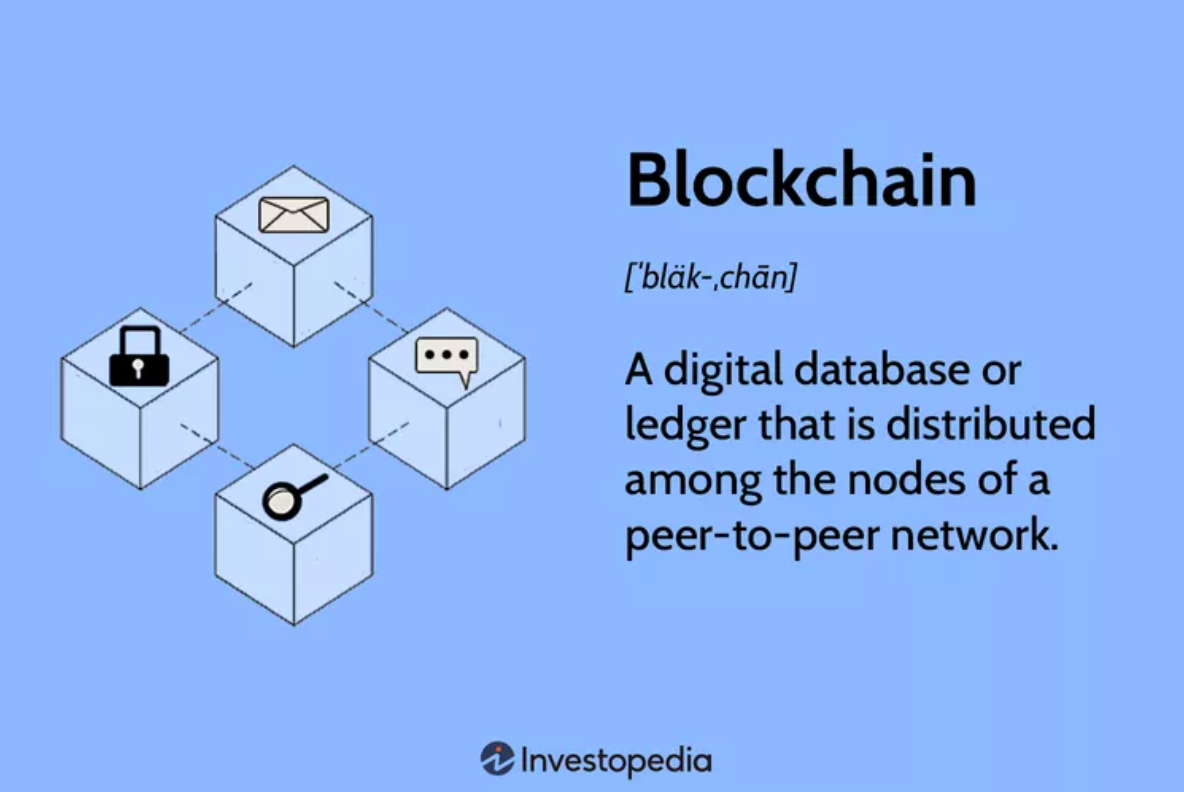
You can also vote with your cryptocurrency coins on proposals regarding the future of those projects, allowing you to take part in influencing their development.
Maintain Privacy and Control Over Transactions
You are the main character in this story. The transaction is not linked to any companies or banks.
You also have complete control and management over your accounts and assets, because only you have the private keys to your custody wallet. Never share your private key with anyone to keep your funds completely secure.
Decentralized Finance (DeFi)
This is really where cryptocurrency kicks into high gear. DeFi is one of crypto’s most transformative applications. It’s like an entire Wall Street sector that has been rebuilt upon open-source code, and anyone with an internet connection can get in.
Earn Passive Income Through Yield Farming and Liquidity Pools
Not only can you keep your cryptocurrency, but you can also borrow against it as leverage. The only way you can participate in this concept, however, is if you deposit your cryptocurrency into what they refer to as “liquidity pools” at DeFi platforms such as Uniswap and Aave, in exchange for accessing part of their trading fees.
It’s like your own bank, although you must be aware of “impermanent loss.
Stablecoin Adoption for Everyday Payments and Price Stability
Stablecoins provide the crucial link between cryptocurrency and traditional markets. Stablecoins are cryptocurrencies pegged to stable assets such as the US dollar, and include USDC and USDT.
These provide all the benefits of cryptocurrency, such as fast transactions and international connectivity, without its instability.
Expanding Crypto’s Social and Economic Impact
The application of this technology goes far beyond banking, dealing with some of the world’s most intractable problems by harnessing the power of transparency and accessibility.
Crypto Philanthropy: Donations Without Borders
Thanks to blockchain, you can make a donation anywhere in the world quickly and securely. All transactions can be tracked in real time and are recorded in a public ledger.
Banking the Unbanked Through Decentralized Access
A smartphone and an internet connection are all one needs to be part of the global economy with cryptocurrency. This is revolutionary for the 1.4 billion adults worldwide who are “unbanked,” allowing them to save, send, and borrow money without needing a traditional institution.
Today, cryptocurrency and DeFi technology are providing financial infrastructure to regions of Africa and Asia that had not had it before, all through smartphones.
Empowering Women and Underrepresented Communities
In some countries, women, migrants, and oppressed sections of the population face economic problems on a daily basis: they have historically been restricted in their access to banking services. Cryptocurrency helps them become participants in the financial sphere.
Members of oppressed groups can also manage their funds independently: only they have access to their accounts.
Enabling Creativity Through NFTs and Digital Art
Artists can, through NFTs, sell their artwork all over the world, and, through cryptocurrency, they can set up a system of royalty payments and get paid each time their work sells, which was not feasible in the past. This applies not only to artwork but also to all works of creativity, such as books and game assets.

Driving Humanitarian Aid and Crisis Relief via Blockchain
In places affected by disasters and wars, the speed and transparency of delivering humanitarian aid are a matter of life and death for millions. This has been achieved through cryptocurrency entities such as the World Food Programme at the United Nations, so that funding reaches groups without any form of corruption or misuse.
Promoting Privacy and Financial Freedom Worldwide
Banks in the traditional financial system can restrict access to funds or freeze accounts at any time. With blockchain, you control your own funds, giving people complete financial freedom and confidentiality.
Emerging Applications of Cryptocurrency
The pace of innovation is not letting up. Here’s a sneak peek into what lies at the edge of cryptocurrency usage, where blockchain technology overlaps with some of today’s most progressive domains.
Gaming and Virtual Economies: Play-to-Earn Models
The likes of Axie Infinity brought in what can be called “play to earn,” in which one can rightfully earn significant amounts of crypto assets. A new playground has emerged with NFTs, blurring the lines between fun and earning, in which things from the game can be owned by the player as NFTs and traded in open markets.
Supply Chain Management and Product Transparency
Each stage in the supply chain can be recorded in the blockchain as immutable code. This helps to control product quality, identify problems (such as defects), and eliminate them in real time. Many companies are already using blockchain, including Walmart, LVMH, and Maersk.
Tokenization of Real-World Assets (RWA) and Investments
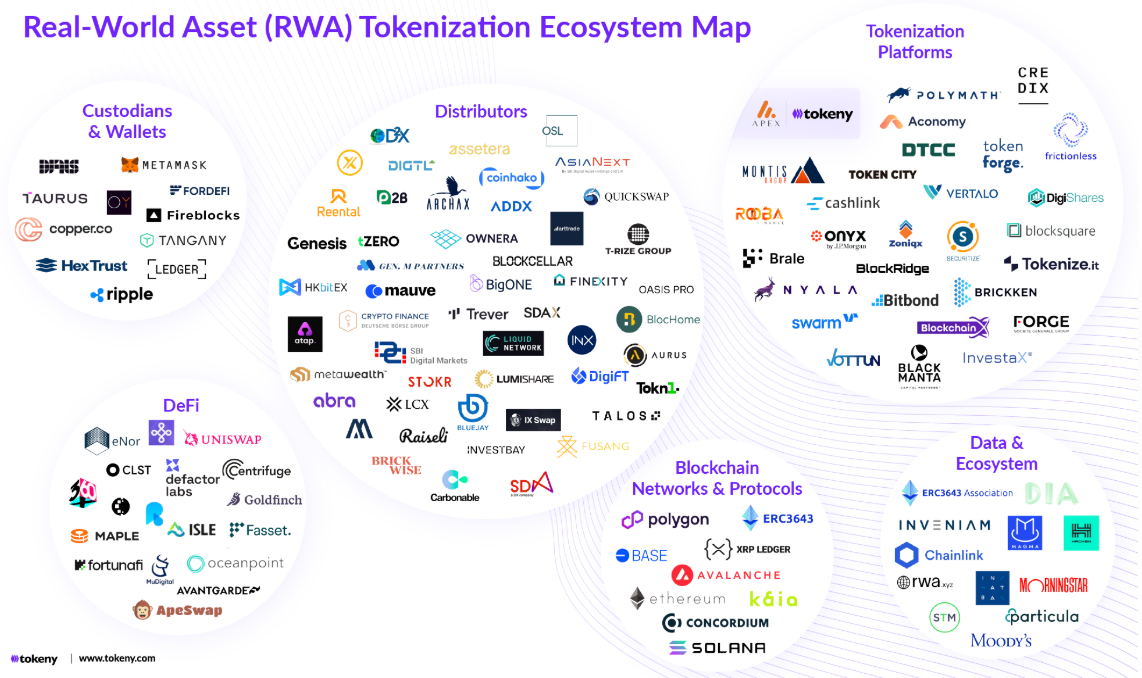
This is a huge area. Crypto technology is applied in “tokenizing” physical assets such as property, artwork, and commodities. This implies that instead of one token representing ownership of a high-value property, we can end up with thousands of tokens, making investments accessible to people who may not otherwise be able to afford them.
AI Tokens and Blockchain Integration for Data Integrity
To prevent artificial intelligence from providing false information, it must operate on the basis of accurate data sets. Blockchain is highly resistant to falsification, as any records uploaded to it receive a unique signature. This means that they cannot be deleted or altered.
Thus, if AI and blockchain are combined, the neural network will provide verified information. Users can check who added the data and when at any time.
Conclusion
The story that’s emerging with cryptocurrency is one of revolutionary change. The value of any true network lies not in its price, but in its usage.
Whether it’s changing the world of international transactions, making financial systems more accessible, or kick-starting new forms of digital economies, the potential of cryptocurrency is coming to the forefront through its usability. This application-filled, world-changing future is being constructed today. Your path towards it begins with your first real use of cryptocurrency, something that goes beyond an investment.
Disclaimer: The content provided in this article is for educational and informational purposes only and should not be considered financial or investment advice. Interacting with blockchain, crypto assets, and Web3 applications involves risks, including the potential loss of funds. Venga encourages readers to conduct thorough research and understand the risks before engaging with any crypto assets or blockchain technologies. For more details, please refer to our terms of service.