
Table of Contents
Cryptocurrency was the next gold rush. With the right trading moves, this innovative take on digital currency can be very profitable, and those who invested in Bitcoin ten years ago must be dancing right now. However, there’s a catch: crypto has also become a magnet for scammers.
These new-age burglars, much like all their predecessors, exploit the flaws of human nature, causing their victims to click on suspicious links or mishandle their cryptocurrency wallets. Just a few weeks ago, in September, a massive scheme that cost the EU over € 100 million was uncovered. With one cunning crypto scam, they can wipe out your entire crypto portfolio before you can even say “Bitcoin!”.
What Types of Scams Crypto Users Should Watch Out For?
There are lots! What's unfortunate is that the kinds of fraudulent actions that were effective even before cryptocurrency became a thing still work today. Furthermore, these scammers continually devise innovative methods to defraud unsuspecting individuals.
They use emotional manipulation, technological deception, and other vulnerabilities. So, with the diversity of fraudulent schemes that they’re cooking up, you can’t ever let your guard down. Start by learning about the most common crypto-related fraud today:

Business Opportunity Scams
Here, scammers get in contact with you and try to lure you in with promises of guaranteed profits by supporting crypto businesses or investment platforms. They improve the perceived value and viability of this investment by:
- Talking about how you’re special and this is an exclusive opportunity.
- Claiming to use a secret algorithm that guarantees profit every time.
- Provide access to tokens that are expected to increase in value after the early launch.
The offer may sound attractive, but the decision to invest in crypto is ultimately yours. Any money, crypto, or otherwise, you'll never see again.
Fake Cryptocurrency Websites
Some scammers also create fake exchanges, wallets, or ICO websites that mimic legitimate ones. Their goal is for you to enter your login credentials on these counterfeit sites or transfer funds to fraudulent domains. These crypto phishing scams remain popular because people often overlook the web domain address, and their website replicas can be highly convincing. And if you fall victim to one, they can now easily access your real account to wipe out everything there.
Fake Celebrity Endorsements and Promotions
Celebrities have elevated brand authority compared to us mere mortals, which is why many scams use their image in fake social media posts to endorse crypto giveaways and investments—just as Elon Musk impersonators have defrauded millions.
But now, they’ve upped their game by using AI videos as well. A man in Australia lost $130,000 when a deepfake video of a famous singer directly communicated with him.
Ponzi and Pyramid Investment Schemes
When it comes to investment scams, pyramid investment schemes are probably in every scammer’s playbook. These scams promise consistent returns to early investors by recruiting new ones to join. Initially, it may appear legitimate to unsuspecting investors because the defrauders would deliver on their promise.
But here’s the problem: eventually, this house of cards falls because there’s no actual investment being made. At some point, the number of newcomers won’t be enough to sustain the whole pyramid as the new money is used to pay older members. And when the jig is up, it’s already too late. The scammers have already disappeared with the money, leaving most participants at a loss.
Charitable Donation Scams Involving Crypto
Crypto fraudsters are not above exploiting humanitarian causes or global crises to ask for crypto donations. And those who donated may think they’ve done their good deed for the day, but the only persons they enriched are the scammers.
Many charities nowadays accept crypto donations. Therefore, ensure that you verify the name, contact information, and site address of the charity to prevent sending your funds to the incorrect location.
Rug Pull Scams in DeFi and NFT Projects
It's the classic story. An investor meets the team or hears somehow about an “amazing” new project and decides to invest. Then, shortly after the launch, this anonymous team of developers ghosts investors and sells all of their tokens, securing their bag and plumbing the chart at the same time. Be careful when you see these signs:
- Anonymous teams
- No audits
- Locked liquidity issues
Even with a popular face selling the coin, rug pulls are still possible. Just ask those who invested in Hawk Tuah’s coin, where the value decreased by 95% hours after launch.
Blackmail and Extortion via Crypto Demands
This method is ancient, yet it remains in use to this day. A scammer can claim to have compromising information about you and demand cryptocurrency payments to prevent its release. They rely on psychological pressure, such as painting a picture of how your peers will react once this supposedly scandalous information gets out.
But here’s the thing: it’s most likely all talk, because they use the smallest truth that they know about you and then build from there to make their lies believable.
Romance Scams Targeting Crypto Transfers
Some scammers are very willing to play the long game. They build an online relationship with the victim, and once they think they have your trust, they ask you to transfer crypto.
One common tactic is to feign a financial emergency, such as a sudden hospitalization, to solicit funds. Be cautious of an online partner who suddenly reveals themselves to be a skilled investor. Like how this businessman lost $700,000 from an online girlfriend who got him to make greater and greater “investments”.
Cloud Mining Scams and False Profit Promises
For most people, mining Bitcoin and other cryptocurrencies today is more of a team effort than a solo endeavor. This requires equipment, which some may not be willing to do. This is where cloud mining comes into the picture.
Cloud mining itself can be legitimate. Unfortunately, numerous fraudulent cloud mining services promise guaranteed daily returns. These platforms often use fake dashboards to mislead users, allowing victims to track their earnings, which can be misleading and inaccurate. But eventually, the fraudsters will disappear with the funds.

How Can You Identify a Crypto Scam?
Scams have the same tell-tale signs, regardless of the platform, medium, or tactic. Look for these signs so you know what to avoid:
Unrealistic Investment Promises and Guaranteed Returns
There are exceptions, but almost everything that promises guaranteed high returns is a scam. If it sounds too good to be true, then it is. Here, they tap into a person’s desire to earn more money or aversion to risk effortlessly.
However, legitimate investments always carry some level of risk. And the higher the potential profit, the bigger the assumed risk.
Lack of Transparency or Verifiable Project Details
The devil is in the details, which is why many scams tend to keep things fairly vague. After all, it just means fewer lies that you can see through. Scammers often conceal their identities, use vague whitepapers, or provide unverifiable information about their team or project.
So, never take anyone’s word as truth. No matter how legitimate or attractive the offer appears to be, verify claims independently.
Urgency, Pressure Tactics, and Limited-Time Offers
Some scams take it a step further by creating a sense of urgency around the offer. They may tell you that it’s a one-time or a high-demand opportunity, so you have to take action before the window closes.
Take the time to do your research. They won’t have to convince you so hard if the offer is that good. There’s a line between setting a deadline and saying you have to take action right now or else you’ll lose the opportunity of a lifetime.
Impersonation of Legitimate Crypto Companies
A crypto scam can also steal the credibility of well-known exchanges or projects. Here, they use fake email domains and lookalike websites to lure you into giving your information or transferring your funds.
Always cross-check the email address, account name, and domain name of the message's source. For added security, visit the company's website or social media page. Until then, don't click or send anything.
What Steps Can You Take to Protect Yourself from Crypto Scams?
You shouldn't wait until you spot a potential fraudster to raise your guard. By following these tips, you can implement them immediately, you can enhance your security posture, and avoid becoming a victim of scams.
Stay Updated on Scam Tactics and Crypto Security News
Having information can help a lot in preventing you from becoming a victim yourself. Therefore, follow credible cryptocurrency news sources and blogs that regularly report on new scam tactics and security threats. Apart from news outlets, consider subscribing to watchdog organizations and blogs of crypto exchanges, such as Venga.
Conduct Independent Research Before Investing
You should conduct thorough research before making any investment. This same principle applies to crypto prospects as well. However, don't rely solely on community reviews. Although you should also verify this, keep in mind that scammers often exploit social proof to appear legitimate.
Get first-hand information by reading their whitepapers. To ensure that there is a genuine team behind the project, investigate their background as well.
Use Only Trusted Exchanges and Secure Wallets
You wouldn’t trust a stranger with your money, and you should carry this attitude when it comes to using crypto exchanges. For your safety, use reputable platforms and wallets with a solid track record and robust security features.
For example, Venga is a registered virtual asset service provider in Spain and Poland. This means that we have met the strict requirements within the finance industry. And since we support buying, selling, swapping, and staking crypto, you don’t need to manage so many accounts.
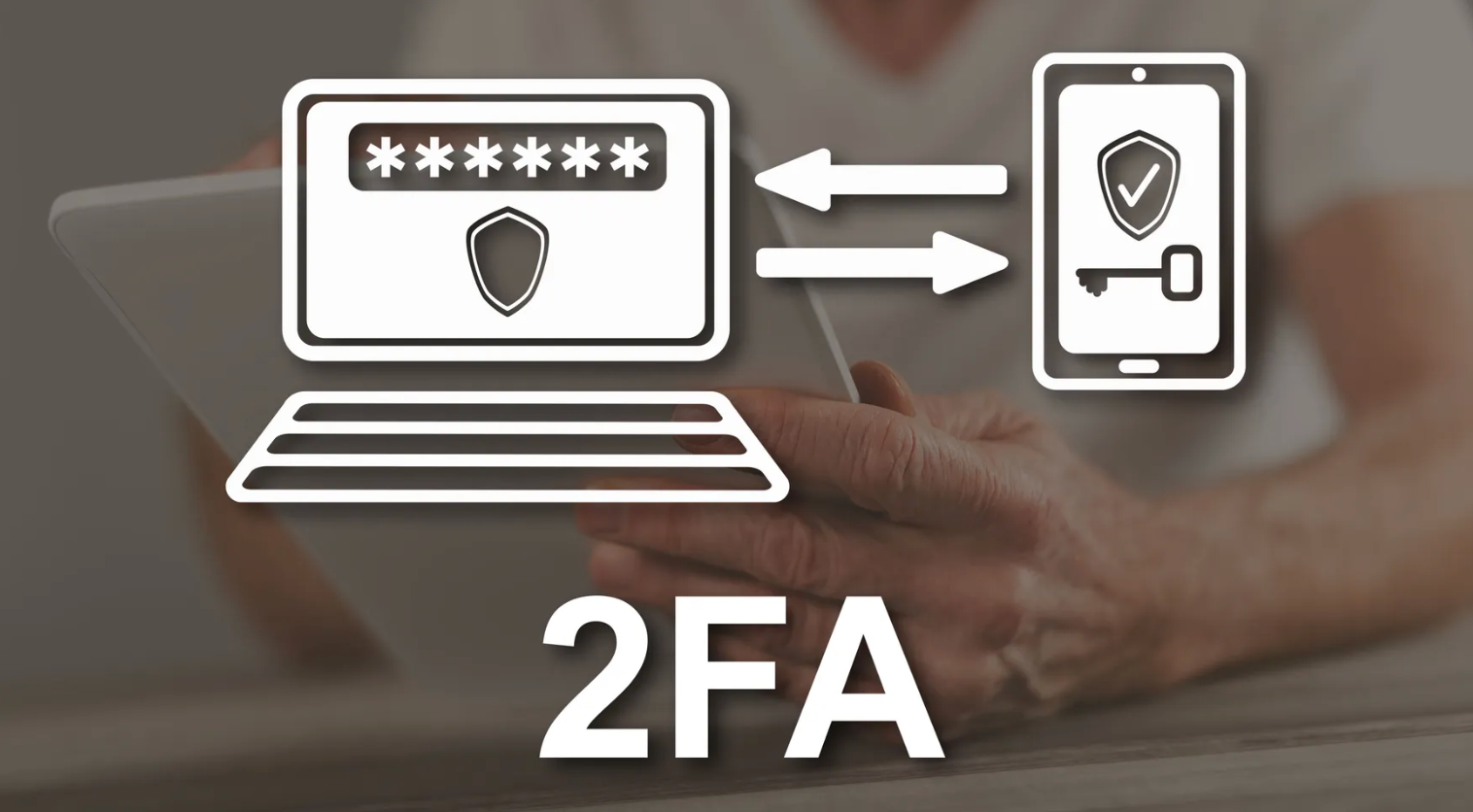
Enable Two-Factor Authentication and Use Strong Passwords
For scammers, your crypto wallets and accounts are like a safe that they’re itching to open. Using unique passwords will make it hard for them to crack the code. And so you don’t have to remember a random combination of characters, use a password manager.
If you haven’t yet, consider activating two-factor authentication as well. So, even if they get lucky with a highly secure password, there’s another hurdle for them before they get in.
Verify the Legitimacy of Charities and Donation Requests
As for the crypto exchanges' websites, also be careful and check the charity ones. Look for third-party verifications and use only known donation platforms to avoid crypto-related donation fraud.
Be Skeptical of Online Relationships Involving Money Transfers
Emotional manipulation is a powerful tactic. It defies logic, so no matter how smart you are, you can still be a victim. So, as much as it may go against your good nature, avoid sending money to online acquaintances, especially in crypto.
Remember, the blockchain operates in a way that makes reversing transactions practically impossible. If you want to do good, there are numerous legitimate causes to which you can donate.
What Should You Do If You Fall Victim to a Cryptocurrency Scam?
You may be too shocked to move forward, but we strongly urge you to do so. Falling into crypto fraud may be like a bad breakup, with very different consequences, but you can move forward. As soon as you realize what happened, you should do the following:
- Secure all your accounts immediately. If you haven’t already, enable two-factor authentication so they can’t access your account as easily. Change all your passwords, too, especially if you tend to use the same one across multiple accounts.
- Report the scam to law enforcement and the platform you used. Although not guaranteed, doing so gives you the best chance of recovering your money. More importantly, a scammer may have gotten away with more than just cash. In the event of identity theft, notifying law enforcement creates an official record for disputing charges made in your name.
- Publicly share your experience. Sharing your experience helps raise awareness and prevent others from becoming victims themselves.
However, even after taking all these steps, it’s essential to manage your expectations. Although your goal is to limit your losses, it’s nearly impossible to recover crypto losses from fraud, so always be careful to avoid these risks.
Conclusion
The same scammy playbooks that no-gooders have relied on still work. It comes in many forms, including fake businesses, charities, and even romance. With technological advancements, it has become easier to reach people and bait them into scams, stealing their assets.
As an investor, your job is to stay vigilant. Those who create crypto scams count on you to act based on emotions or take action without thinking. Keep yourself informed. And when the security of your funds and your identity is at stake, a little dose of skepticism never hurts.
Disclaimer: The content provided in this article is for educational and informational purposes only and should not be considered financial or investment advice. Interacting with blockchain, crypto assets, and Web3 applications involves risks, including the potential loss of funds. Venga encourages readers to conduct thorough research and understand the risks before engaging with any crypto assets or blockchain technologies. For more details, please refer to our terms of service.