

Table of Contents
Staking has become a go-to way for crypto investors to earn passive income and support blockchain networks at the same time. As proof-of-stake systems have grown, so have the opportunities (and the risks), which many people don’t fully grasp.
The shift from traditional staking to liquid staking adds extra layers of complexity and new kinds of risks. While these newer options offer more flexibility and higher earning potential, they also open the door to vulnerabilities that can lead to big losses if you’re not careful.
Understanding these risks is crucial if you want to make smart choices when staking crypto. Both traditional and liquid staking come with their own challenges, and it’s important to think them through before locking up your assets.
What Is Traditional Staking and How It Works
Traditional staking means locking up your crypto to help secure and run proof-of-stake blockchains. When you stake, you support validators: the people or entities who process transactions and keep the network running smoothly.
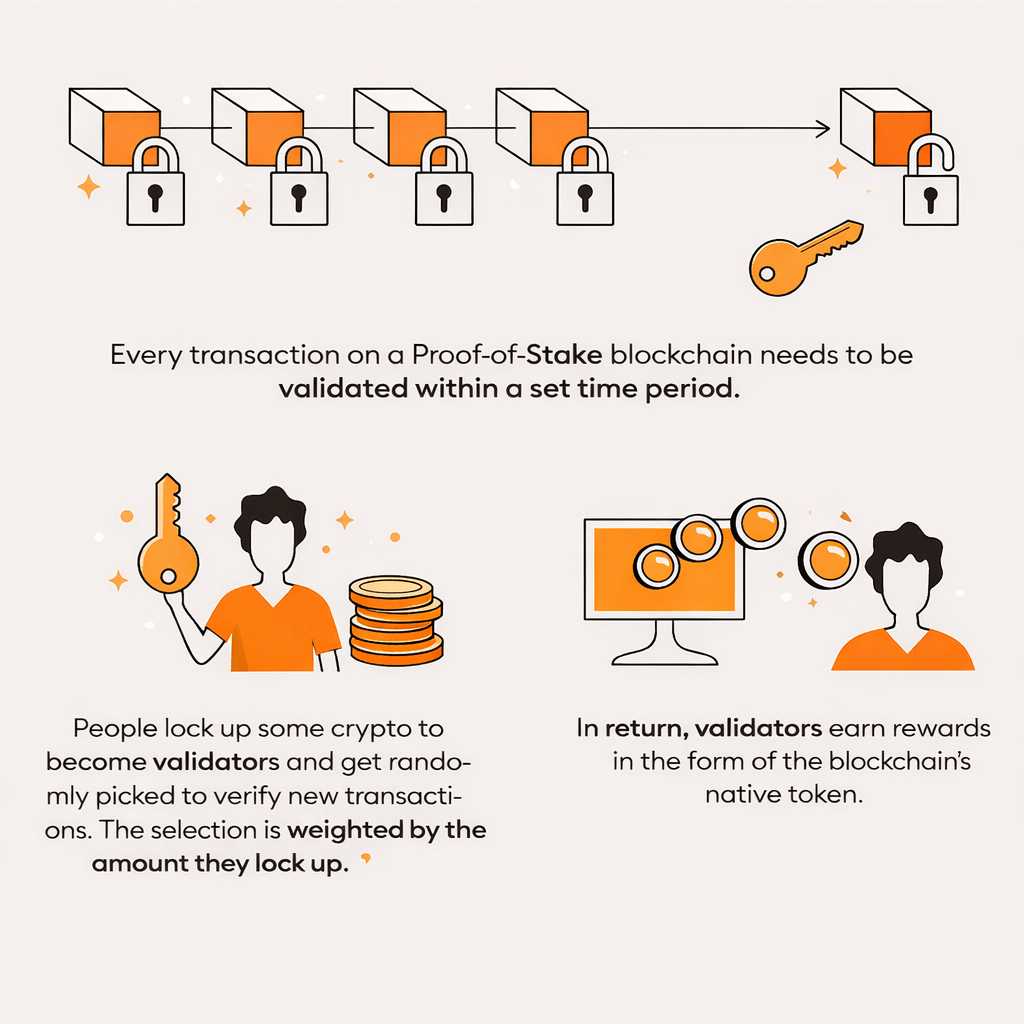
Validators handle the heavy lifting: verifying transactions, creating new blocks, and making sure the network stays safe. To do this properly, they need strong technical setups and near-constant uptime to avoid penalties.
You can either become a validator yourself (if you have the technical chops and enough tokens) or delegate your tokens to an existing validator. Delegating is a popular option because it lets smaller holders get involved without running complex infrastructure.
When you stake, you earn rewards in return. These typically come from transaction fees and new tokens created by the network.
Lock-up periods (how long your assets are locked when you stake) vary depending on the network and can range from a few days to several weeks. During this time, you can’t move, trade, or withdraw your tokens. The network relies on economic incentives to stay secure. Validators risk losing their stake through slashing penalties if they act dishonestly or mess up technically.
Some networks also require a big minimum to run a validator node. Ethereum 2.0, for example, needs 32 ETH (currently worth about $80,000), which puts it out of reach for most retail users.
What Is Liquid Staking and How It Differs
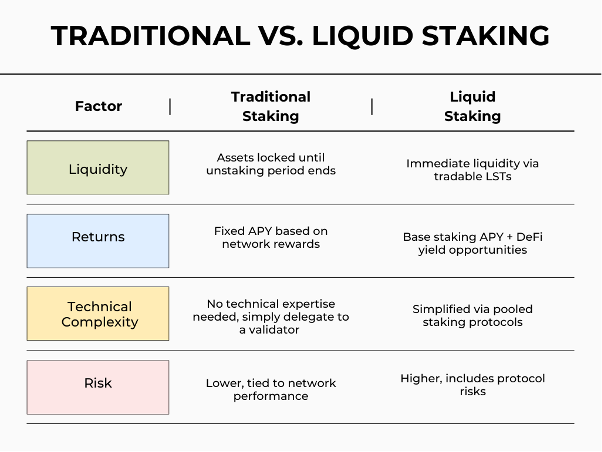
Liquid staking solves the liquidity problem in traditional staking by giving you a tradeable token that represents your staked assets. You get liquid staking tokens, which you can use in DeFi, trade, or just hold while earning rewards.
These protocols pool user deposits and handle validator operations on your behalf. You deposit your tokens and get back liquid staking tokens that grow in value as rewards accumulate.
The biggest plus is that you stay liquid. You’re free to sell your liquid staking tokens whenever you like instead of waiting out a lock-up period.
You can also use these tokens as collateral in lending apps, trade them on decentralized exchanges, or put them to work in yield farming. This flexibility lets you stack additional returns beyond basic staking rewards.
Some of the biggest players in this space are Lido, Rocket Pool, and Frax Finance. Each one has its own way of choosing validators, sharing rewards, and running governance.
Your original tokens are still locked in the staking contract. The protocol handles all of this behind the scenes while giving you the liquid token to play with. Liquid staking has made staking more appealing and accessible to many by removing the lock-up barrier that used to scare off a lot of would-be participants.
Key Risks of Traditional Staking
Traditional staking isn’t risk-free. You can lose money or miss out on opportunities if you don’t understand the risks clearly. Market conditions, validator performance, and protocol rules all shape what can go wrong.
Market Volatility & Lock-up Periods
Volatility during lock-up is one of the biggest risks. You can’t sell staked tokens during downturns, which can wipe out more value than your staking rewards earn. Lock-up times can be weeks or even months. Meanwhile, market prices can swing dramatically, leaving you stuck.
When the market is booming, locked assets can’t be sold to capture gains or rebalanced into other opportunities. That’s a big opportunity cost. Some networks have “exit queues” that delay withdrawals even further. During high demand, you might be stuck much longer than you planned.
Staking rewards might range from 3 to 15% a year, but crypto prices can move that much in a single day. This volatility can make those rewards look insignificant in hindsight.
Inflation and token supply growth can also eat into real returns. Even if rewards look good on paper, new token issuance might dilute your stake’s value.
Slashing and Penalties
Slashing happens when validators misbehave or fail technically, and it leads to direct losses of your staked tokens. Typical reasons include double-signing, attestation mistakes, or too much downtime. The penalties vary from small cuts to losing the entire stake.
Slashing can mean losing a few percent or even everything, depending on how bad and how often mistakes happen. Delegators aren’t off the hook either, they share slashing penalties with their chosen validator, even though they don’t control validator operations.
Some protocols penalize groups of validators to avoid coordinated attacks, but this can mean bigger losses if your validator is part of a larger failure. Unexpected technical issues like outages or software bugs can still cause slashing. Good intentions won’t protect you from these consequences.
Counterparty and Project Trust Risk
If you stake through an exchange or third-party service, you introduce counterparty risk. You have to trust them to secure your assets and operate honestly. Exchanges can be hacked, go bankrupt, or face regulatory shutdowns. We’ve seen these things wipe out user funds before.
Centralized providers may also charge high fees or change terms suddenly. Users often can’t fight back when that happens. When third parties control private keys, you lose self-custody, which is a core principle of crypto for many.
Even “decentralized” protocols have risks associated with smart contracts. Bugs or governance issues can still put your funds at risk. Regulatory changes can also force providers to stop offering staking or introduce restrictions, which can trap or delay access to your funds.
Specific Risks of Liquid Staking
Liquid staking brings in even more risks on top of those in traditional staking. The tradeable tokens, smart contract dependencies, and market mechanics add complexity. The same flexibility that makes liquid staking attractive also introduces ways things can break.
Smart Contract Exploits and Hacks
Liquid staking protocols rely on smart contracts to manage deposits, run validators, and distribute rewards. Bugs in these contracts can be catastrophic. A single exploit can drain all deposited funds, and on-chain transactions are irreversible. Stolen crypto is usually gone for good.
Even if a protocol is audited, no audit guarantees zero bugs. New attack methods and unexpected interactions keep emerging. Some protocols have upgrade features that can be abused. A malicious update or compromised governance could siphon user funds.
Flash loans and other DeFi attacks can target liquid staking in clever ways, manipulating economic incentives rather than just code flaws. The sheer complexity of these protocols means there are more chances for unexpected bugs and edge cases that attackers might exploit.
De-pegging and Low Liquidity
Liquid staking tokens can trade below their underlying value, especially during panic or liquidity crunches. This de-pegging (a breakdown where the token can’t maintain the same value of the asset it’s meant to match) can hit hard if you need to exit quickly. Protocols with low total value locked are more vulnerable to price swings and shallow markets. Smaller platforms can see extreme volatility.
Once de-pegging starts, it can snowball since forced sales drive prices even lower. It can take a long time to recover, trapping holders in the meantime. When markets get choppy, market makers and arbitrageurs often pull back, making liquidity even worse.
The ability to swap liquid tokens for underlying assets keeps the peg stable, but if withdrawal queues get long or technical issues arise, this breaks down fast. Fear and uncertainty can push prices far below fair value, creating self-reinforcing spirals that don’t resolve easily.
Slashing via Delegated Validators
Liquid staking protocols usually spread deposits across multiple validators to spread risk, but slashing is still a threat.
Protocol teams pick the delegated validators. If they choose poorly, everyone shares the downside. Users usually can’t choose validators directly in liquid staking, leaving them at the mercy of protocol managers. This loss of control is a major risk.
If several validators fail at once, losses can be much larger than in traditional staking. Managing validators well is tough. Inexperienced teams can make bad choices that increase slashing exposure.
Some protocols might also negotiate special deals with validators, which can create conflicts of interest where user safety isn’t the top priority.
Provider Counterparty Risk
Liquid staking protocols introduce counterparty risks through their governance systems and operational setups. Users have to trust the people and teams running the show.
Governance tokens can give outsized influence to insiders or early investors, sometimes leading to self-serving decisions.
Teams can face internal disputes, run out of money, or shift focus, all of which can hurt users. A governance attack or takeover can cause catastrophic losses. Decentralization doesn’t remove human-driven risk entirely.
Dependencies on oracles and other off-chain services add more potential points of failure that may not be obvious. Regulatory changes could force protocols to shut down or radically change. This legal uncertainty hangs over all liquid staking operations.
Risk Comparison: Traditional vs Liquid Staking
Traditional staking is simpler and gives you more direct control, but it ties up your assets. You trade liquidity for predictability. Liquid staking offers more flexibility and lets you keep assets liquid, but at the cost of added technical and market risks. Control is a big difference. With traditional staking, you choose validators. With liquid staking, you rely on the protocol to make those decisions.
Technical risk profiles vary too. Traditional staking mainly involves validator risks, while liquid staking adds smart contract and market-related risks. Cost structures differ. Traditional staking might just involve validator fees, while liquid staking can include protocol fees, gas costs, and trading spreads.
Liquid staking’s big selling point is exit flexibility. You can sell anytime, but only if there’s market liquidity. Diversifying across validators is manual in traditional staking, but liquid staking does this automatically; although you lose control over how it’s done.
Risk Mitigation Strategies
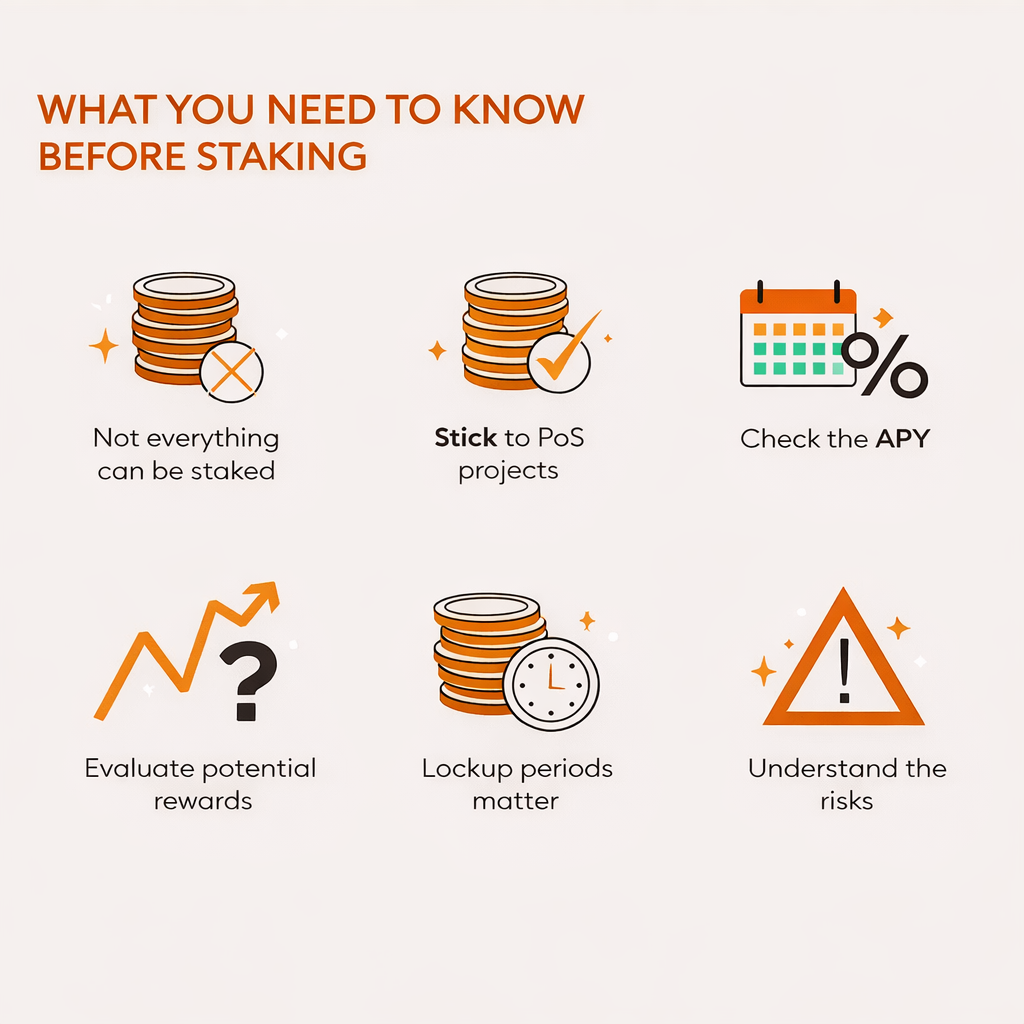
Doing your homework is your first line of defense. Understand protocols, validator reputations, and market conditions before committing assets. Spread your risk across different protocols and validators to avoid single points of failure. Diversification is key.
Watch validator performance, protocol updates, and market movements closely. Automated tools and dashboards can help. Learn how the governance and technical systems work so you know what risks you’re taking on. Knowledge is power here.
Start small when trying new strategies or protocols. It limits damage if something goes wrong while you’re still learning. For large stakes, consider professional or institutional-grade services that have stronger operational controls and risk frameworks.
Stay updated on governance proposals, upgrades, and legal developments. The earlier you know, the better you can react.
Conclusion
Staking and liquid staking both offer ways to earn returns on crypto, but they come with real risks that you need to take seriously. Each method has pros and cons that appeal to different people depending on risk tolerance and goals.
Liquid staking has made staking more accessible and flexible but added new technical and market challenges. Weigh the perks against the extra risks before jumping in.
If you want to succeed in staking, keep learning, stay alert, and adapt as things change. These systems evolve fast, and your approach needs to evolve too.
In the end, the key is to understand the rewards and the ways things can go wrong. The more aware and prepared you are, the better chance you have of benefiting from staking your crypto whilst keeping it protected.
Disclaimer: The content provided in this article is for educational and informational purposes only and should not be considered financial or investment advice. Interacting with blockchain, crypto assets, and Web3 applications involves risks, including the potential loss of funds. Venga encourages readers to conduct thorough research and understand the risks before engaging with any crypto assets or blockchain technologies. For more details, please refer to our terms of service.